
Marble changes a room in a way few other materials can. It is cool underfoot, it carries light across a bathroom wall, and no two pieces ever look quite the same. That is why so many St. Catharines homeowners ask for it when they renovate a bathroom, rebuild a kitchen, or finally give a living room fireplace the surround it deserves. BGM Construction Ltd installs marble tile and slab across St. Catharines, and we do it from our base a few minutes away in Thorold.
This page is about hiring us for marble work in St. Catharines. It covers the jobs, the finishes, the method and the budget. For the general story of marble as a material, see our marble work page, and for the finer points of keeping it sealed, our guide to sealing marble goes into the detail. Here, the focus stays local: your home, your neighbourhood, and a written quote after we measure.
BGM installs marble tile in St. Catharines for floors, showers, walls and feature work. Every job is sealed and finished properly so the stone stays protected in daily use. We are based in Thorold, a short drive from St. Catharines, and we give free quotes. Call +1 365-524-1898 to book a measurement and a written quote.
Marble services in St. Catharines
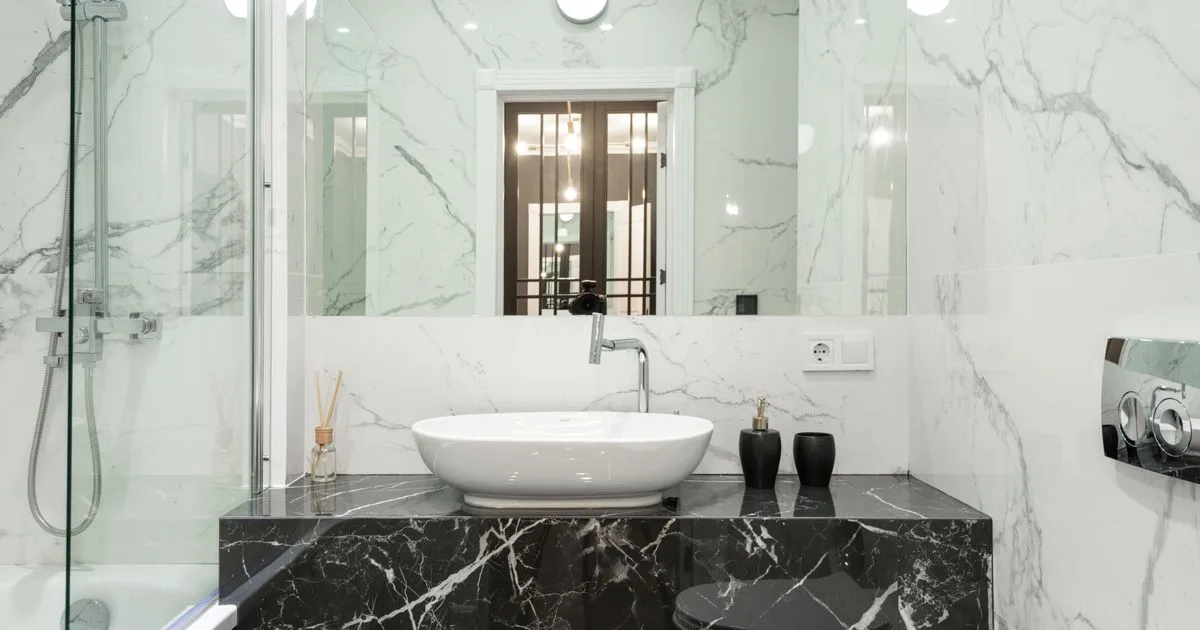
Most of the marble work we are called for in St. Catharines falls into a handful of jobs, and each one asks for a different approach. Bathroom floors and walls are the most common, especially in renovated ensuites where a marble floor meets a tiled shower wall and a stone vanity top. Kitchens come next, usually a marble countertop or a full height backsplash that runs from the counter to the underside of the cabinets. Then there are floors in entries and living rooms, fireplace surrounds and hearths, and vanity tops that replace a dated laminate top without a full renovation.
- Marble tile floors, in bathrooms, entries, kitchens and living rooms
- Marble wall tile and full height feature walls
- Marble shower walls and tub surrounds, built over proper waterproofing
- Marble countertops and vanity tops, templated and cut to fit
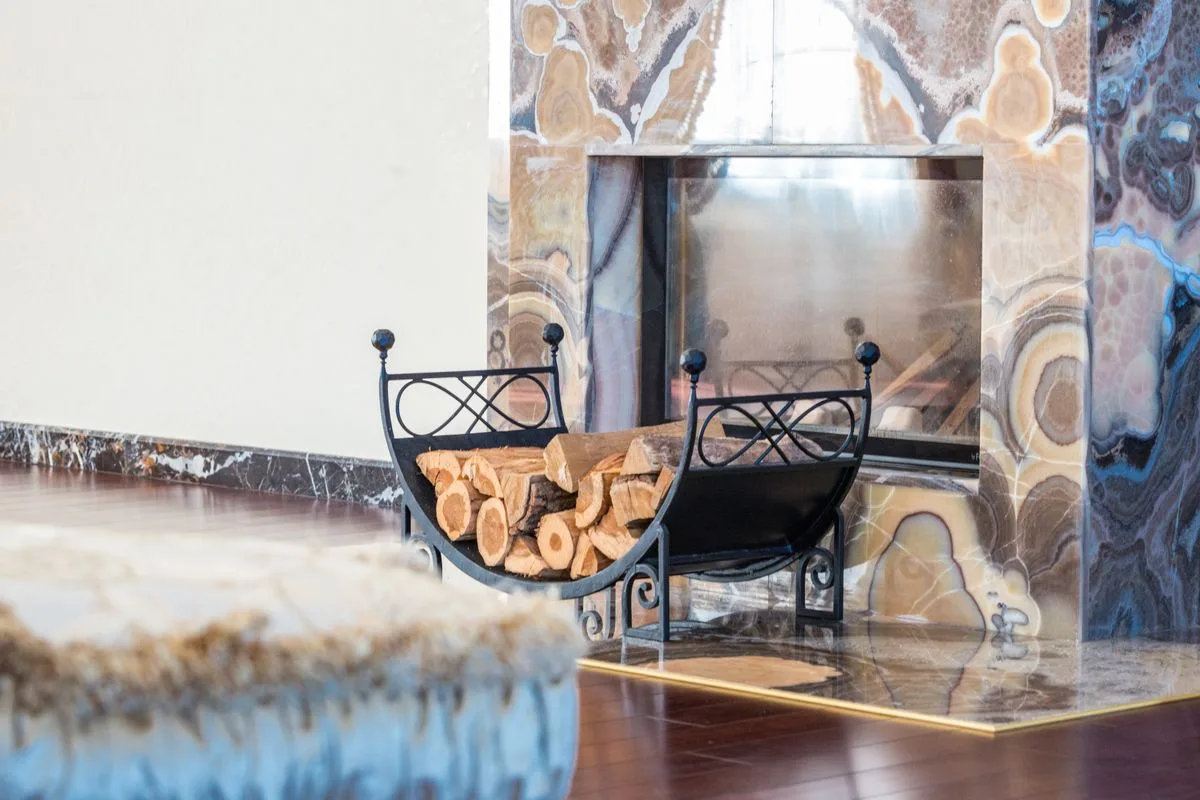
- Marble fireplace surrounds and hearths
- Marble backsplashes, including full height runs behind a range
Tile and slab are not the same job, and it helps to know which one you are asking for. Tile comes in set sizes and is grouted joint by joint, which suits floors, shower walls and backsplashes. Slab is a large cut piece, usually for a countertop, a vanity top or a fireplace face, where you want the veining to run unbroken. We install both, and we will tell you honestly when a job suits one better than the other. A small powder room floor, for example, is a tile job, while a kitchen island top is almost always slab.
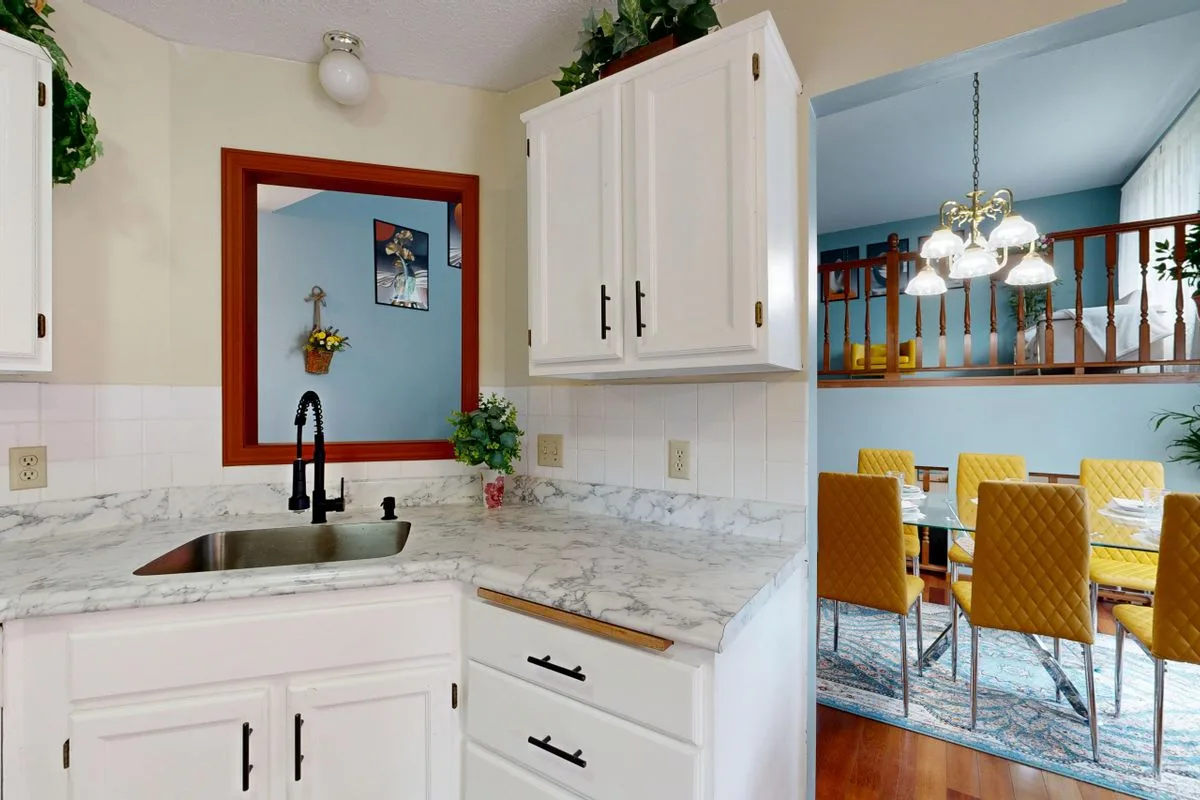
Marble rarely arrives alone. A bathroom marble floor often sits beside a shower that needs its own tile and waterproofing, and a kitchen marble counter usually means a backsplash decision at the same time. If your project is a full bathroom, our bathroom renovation service in St. Catharines covers the whole room, and our shower tile installation and kitchen backsplash pages cover those two jobs in detail. For floors and walls elsewhere, see our tile installation service in St. Catharines.
Choosing marble and finishes
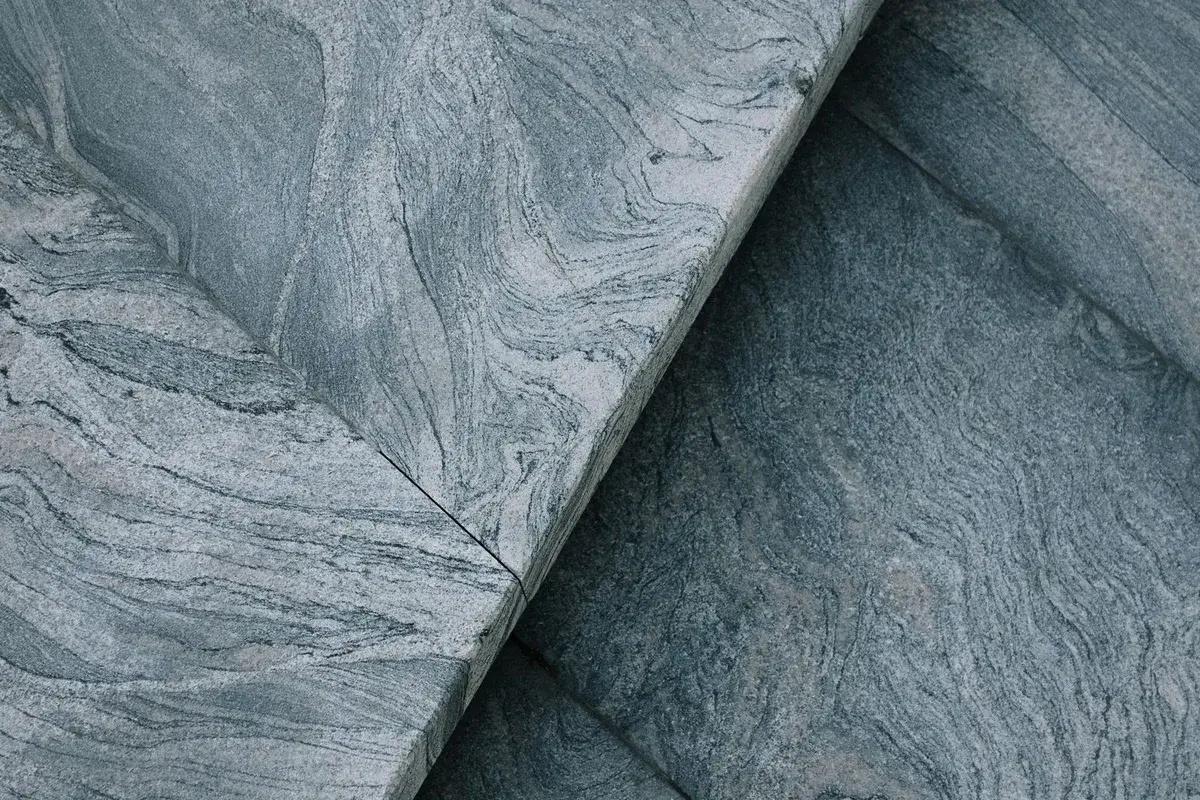
Choosing marble starts with the stone itself. White marbles with grey veining, like Carrara and Calacatta styles, are the ones most St. Catharines homeowners picture first, and they suit bright bathrooms and classic kitchens. Warmer marbles with gold or brown veining suit older brick homes and living rooms where the rest of the room already has warm wood. Dark marble makes a strong statement on a fireplace or a vanity, but it shows dust and water marks more readily, so it needs a homeowner who will wipe it down.
The finish changes the stone you live with more than the colour does. Polished marble is glossy, it reflects light, and it shows every etch and water mark. It is beautiful on a bathroom wall or a vanity top that does not take daily abuse. Honed marble is matte, softer to the eye, and far more forgiving: etches and small marks blend in, and it grips better underfoot, which matters on a bathroom floor or an entry. For most St. Catharines floors we recommend honed, and for walls and vanities either finish works, as long as you know what you are choosing.
Marble is honest stone, and part of our job is saying where it does not belong. It etches when acids touch it, so lemon, vinegar and many bathroom cleaners will leave dull marks on a polished surface. It stains if spills sit, so a busy family kitchen island that doubles as a homework desk and a wine station is a hard life for white marble. Sealing helps, and we seal every marble job, but a sealer slows stains, it does not make marble stain proof. If you want the look without the care, talk to us about marble look porcelain, which gives the pattern without the upkeep, and we will tell you honestly whether it suits your room.
Preparation and method
Marble is heavier, softer and less forgiving than manufactured tile, so preparation decides the result. Floors must be flat and stiff: a springy wood floor that happily carries porcelain can still crack marble, because stone is installed to a much stricter deflection limit. We check the framing, the subfloor and the floor build up before the stone is ordered, and we say so plainly if the floor needs stiffening first. Walls must be flat, sound and dry, and in a shower the waterproofing membrane goes on before any tile, never after.
On the day, the method follows the stone. Light marble is set with white mortar, because grey mortar can show through the stone as shadowing. Tiles are dry laid first where the veining matters, so the pattern flows across the floor instead of breaking at every joint. Large tiles are back buttered and set with levelling clips to keep the surface flush, and joints are kept narrow, about 1/16 to 1/8 inch, with unsanded grout that will not scratch the stone. Marble is sealed before grouting and again after the grout cures, so pigment cannot settle into the stone around each joint. Our marble tile installation guide walks through each of these steps in full.
- Visit and measure: we look at the room, check the substrate, and talk through stone, finish and layout
- Written itemized quote: stone, labour, preparation and sealing priced separately, so you can see what you are paying for
- Ordering and dry lay: the stone arrives, we check it for cracks and colour, and lay out the veining before any mortar is mixed
- Setting, grouting and sealing: tile or slab set, grouted, cured, then sealed and handed over with care instructions
What marble needs to last in a St. Catharines home
Marble shows every uneven edge. Because the tiles are usually large and flat, with square cut edges, one tile sitting even slightly higher than its neighbour catches light and catches feet. That raised edge is called lippage, and it is the first thing you notice on a marble floor and the hardest thing to fix after the tiles are set. Ceramic tile is more forgiving, because the glaze and the smaller tile size hide small differences in height. Marble is not. So before any marble is laid, the floor has to be made flatter than a floor that would pass for ceramic. We check the surface with a long straightedge, mark the high and low spots, grind down the high spots and fill the low ones, and only then start setting tile. Skipping that step is the most common reason a marble floor looks uneven, and it cannot be corrected by grouting or polishing afterwards.
White marble needs extra care for a different reason. It is pale and slightly absorbent, so anything that carries colour or moisture through the stone can show on the surface. Grout pigment can settle into pale stone during grouting, and moisture from below can darken white marble while it dries. That is why the setting materials matter as much as the tile itself. Light marble is set with white mortar, not grey, so the mortar cannot discolour the pale stone from below, and we seal white marble before grouting so grout colour cannot soak in. If your heart is set on a white marble shower or floor, tell us at the quote stage, because the choice of setting materials and the sealing plan are decided before the first tile is cut, not after.
Sealing is done twice on a good marble job. The first coat goes on before grouting, to keep grout pigment and water out of the stone while we work. The second coat goes on after grouting, once the grout has cured, to protect the finished surface in daily use. In wet or busy areas, such as showers and bathroom floors, plan on resealing every one to two years. Sealing protects against staining, which is colour soaking into the stone. It does not protect against etching, and the difference matters. Etching happens when an acid touches marble and dulls the polished surface, leaving a pale mark that no sealer can prevent. Lemon juice, vinegar, some bathroom cleaners and even a splash of wine can etch a polished top. A sealed surface is easier to wipe clean and slower to stain, but it will still etch if acid sits on it. That is why we are honest about sealing at the quote stage. It is essential care, not a guarantee, and the best protection for a marble surface in daily use is wiping up spills quickly and using cleaners made for stone.
The finish you choose changes how marble behaves as well as how it looks. A polished finish is smooth and reflective, so it shows every etch mark and water spot, which is why it suits a feature wall or a low traffic area where it is admired more than it is used. A honed finish is matte and softer to the eye, and because it has no high shine it hides small etch marks and water spots far better, which makes it the safer choice for bathroom floors and shower walls. Honed marble also gives better grip underfoot when wet, which matters in a shower or beside a bath. For a St. Catharines bathroom floor, we usually recommend honed marble, and we keep polished marble for walls, fireplace surrounds and feature work where its shine can be enjoyed without the wear.
- Check the floor with a long straightedge and mark every high and low spot.
- Grind down high spots and fill low spots until the surface is flat enough for marble.
- Dry lay the tiles to plan the layout and match the veining before any adhesive is mixed.
- Seal the marble before grouting, then seal it again after the grout has cured.
- Check every tile edge for lippage before the job is finished and reset any tile that sits high.
Marble makes most sense where it is seen and enjoyed without heavy wear. An entry floor in honed marble gives a strong first impression and handles foot traffic well when it is sealed. A bathroom is the best room for marble in a St. Catharines home, because the floor, shower walls and vanity can all be finished in the same stone. A feature wall or a fireplace surround lets a single dramatic slab do the work without the wear of a floor. A busy kitchen floor is where we usually advise against marble. Dropped pans chip it, spilled lemon juice or vinegar etches it, and constant traffic wears a polished finish dull. In a kitchen, marble is better kept to a backsplash or a small feature area, where it can be admired without taking the daily wear of the room. If you are unsure whether marble suits the room you have in mind, ask us at the quote stage and we will tell you honestly, even if the honest answer is to choose another stone for that spot. See the full range of work we do across the city on our St. Catharines page.
Costs in St. Catharines
Marble pricing moves with the stone, the size of the job and the preparation underneath it. Rare or heavily veined slabs cost more than common white tile, large format tile costs more to set than small tile, and a floor that needs stiffening or levelling costs more before the first tile goes down. The ranges below are planning ranges for installed work in St. Catharines, including labour, setting materials and sealing. Stone is priced separately and varies by slab. Your written quote, after we measure, prices the stone and the labour separately, and that is the number that counts.
| Job | Planning range | Typical St. Catharines job |
|---|---|---|
| Marble tile floor | $35 to $55 per square foot | $3,500 to $8,000 for a bathroom or entry |
| Marble wall tile | $40 to $65 per square foot | $2,500 to $6,000 for a shower or feature wall |
| Marble countertop or vanity top | $2,000 to $5,000 per top | Depends on slab, size and edge profile |
| Marble fireplace surround | $2,500 to $6,000 per surround | Priced per job, not per square foot |
It is worth comparing quotes line by line before you choose, because a low quote that skips floor stiffening or sealing is not the same job at a better price. Our quotes price stone, labour, preparation and sealing separately, so you can see exactly where the money goes.
Neighbourhoods served
St. Catharines was built in layers, and marble suits each layer differently. Downtown and the older streets around it hold brick homes with heritage character, where a marble fireplace or a classic white bathroom floor suits a period renovation. Port Dalhousie, on the lake, and Port Weller, at the north end, hold mature housing stock where ensuites and kitchens are the usual marble jobs. Glenridge, Merritton, Western Hill and Facer mix postwar bungalows with newer infill, and there the common call is a bathroom floor, a shower wall or a vanity top.
Growth at the west and south ends of the city brings newer subdivisions, larger ensuites and open kitchens, where full height marble backsplashes and large format floors are more common. In the south, near Brock University, rental homes bring a different brief: durable finishes that still look sharp between tenants, and honed marble floors that hide wear are often the sensible choice there. Wherever you are in the city, hard water is a fact of life, and it leaves marks on polished stone if water is left to dry on it, so we talk through care honestly before you choose a finish.
Beyond St. Catharines, we work across the whole Niagara Region, all twelve municipalities: Thorold, Niagara Falls, St. Catharines, Welland, Fort Erie, Grimsby, Lincoln, Niagara-on-the-Lake, Pelham, Port Colborne, Wainfleet and West Lincoln. The St. Catharines page is the hub for everything we do in the city, and it links out to our other services here. Thorold, where our shop sits, is just over the city line.
Why homeowners here hire BGM
We are based at 5 Swart Ln in Thorold, minutes from St. Catharines, which means measuring visits, stone deliveries and follow up visits are easy to arrange, and we are close by if anything needs a second look after handover. Being local also means we know the housing stock: the brick homes downtown, the postwar bungalows in Merritton and Facer, and the newer builds at the west and south ends. We have seen what their floors are made of and what their bathrooms hide behind the tile.
The other reason is process. You get a written, itemized quote before work starts, with stone, labour, preparation and sealing priced separately, and the price does not move unless the scope does. We protect the rooms we walk through, we keep the site tidy, and we hand over care instructions with the finished job, including how often to reseal and which cleaners to avoid. If a problem shows up after we leave, we come back and look at it.
Get a marble quote in St. Catharines
If you are planning marble work in St. Catharines, start with a conversation, not a catalogue. Call BGM Construction Ltd at +1 365-524-1898, tell us the room and the rough size, and we will arrange a visit to measure, look at the substrate and talk through stone and finish honestly. You will get a written, itemized quote, and a straight answer if marble is not the right stone for your room.
Frequently Asked Questions
How much does marble installation cost in St. Catharines?
For a typical bathroom floor or shower wall, most jobs land between $2,500 and $8,000 installed, including labour, setting materials and sealing, with the stone priced separately. Countertops and fireplace surrounds are priced per job, and a full floor in a large room can run higher. Your written quote after measuring is the exact figure, and it prices stone, labour, preparation and sealing separately.
Will marble stain or etch in my bathroom?
It can, and you should plan for it. Acids from cleaners, toothpaste and hard water leave dull etch marks on polished marble, and spills can stain if they sit. Honed finishes hide both far better, and sealing slows staining. With pH neutral cleaners and a quick wipe after showers, a marble bathroom ages gracefully, but it will never be as carefree as porcelain.
Is honed or polished marble better for a St. Catharines floor?
For most floors, honed. It grips better when wet, it hides etch marks and small scratches, and it suits the matte look of most St. Catharines homes. Polished marble is striking, but on a floor it shows every mark and can be slippery when wet. On walls and vanity tops, where feet never go, polished is a fine choice.
How long does a marble installation take?
A bathroom floor or a vanity top usually takes two to four days of site work, plus curing and sealing time. A shower wall or a full floor in a larger room can take a week or more, especially if the substrate needs stiffening or levelling first. We give you a schedule at the quote stage, and we tell you exactly when the room can be used again.
Do you install marble in older St. Catharines homes?
Yes, and they are a large part of our work. Older brick homes downtown and in Port Dalhousie often have uneven floors and surprises behind old tile, so we inspect the substrate carefully and price any stiffening or repair before we start. Marble suits these homes well, especially in period bathrooms and around original fireplaces, where a classic white stone fits the character of the house.
How often does marble need sealing?
Plan on resealing every one to two years in wet or busy areas, such as showers and bathroom floors, and less often on walls and vanity tops. The water test tells you when it is time: if water darkens the stone instead of beading on it, the sealer has worn. We seal every job before handover and show you how to test it yourself.
Can you match new marble to stone already in my home?
Often, yes, though no two marble pieces are identical. We take a sample of your existing stone, or a photo and the room measurements, and we look for the closest match in veining and tone from current stock. Where an exact match is not possible, we will say so before you order, and we can show you options that sit happily beside the original.
Why does marble need a flatter floor than ceramic tile?
Marble tiles are large, flat and square edged, so a tile that sits even slightly higher than its neighbour shows as a raised edge called lippage. Ceramic tile hides small height differences better, so a floor that would pass for ceramic is often not flat enough for marble. Before we lay marble, we check the floor with a long straightedge, grind down high spots and fill low spots, and only then start setting tile. A floor prepared this way stays flat and even underfoot.
Does sealing stop marble from etching?
No. Sealing protects marble against staining, which is colour soaking into the stone, but it does not stop etching. Etching happens when an acid such as lemon juice or vinegar touches marble and dulls the polished surface, and a sealer cannot prevent that. Sealing before grouting and again after grouting still matters, because it keeps grout pigment and everyday spills from staining the stone, and a sealed surface is easier to wipe clean. The best protection against etching is wiping up acidic spills quickly and using cleaners made for stone.