
The short answer: matte porcelain tile is the best tile for a bathroom floor in most homes. It absorbs almost no water, wears hard, and comes in every look from stone to wood. Choose a finish with real grip, keep the format moderate or use sheet mosaics where the floor stays wettest, and pair it with a grout colour that hides daily life. Ceramic works in light use ensuites, natural stone looks unmatched but asks for sealing and care, and polished or glossy tiles of any kind are the ones to avoid on a wet floor.
A bathroom floor lives a harder life than any wall. It takes bare wet feet, dropped bottles, standing water around the tub, cleaning chemicals and, in a family home, a daily rush hour. The best tile for bathroom floor use is the one that handles all of that and still looks good in ten years, not just in the showroom.
This guide ranks the best tile for bathroom floor materials honestly, explains the sizes and finishes that stay safe when wet, and covers the details, grout, heating and layout, that separate a floor you love from a floor you tolerate. It covers the main bathroom floor. Shower floors have their own rules about size and slope, and our best tile for shower floor guide covers those in full.
What Makes a Bathroom Floor Tile Good?
Four things decide it. Water behaviour: the tile body should absorb as little as possible, because bathroom water finds grout lines and edges daily. Grip: wet tile must hold a bare foot, which comes from finish texture and from grout lines breaking up the surface. Wear: the surface must shrug off grit, dropped toiletries and chair stools without chipping or dulling. And upkeep: the floor should clean with water and a mild cleaner, without special products or constant sealing.
Porcelain scores at or near the top on all four, which is why it leads this guide. The porcelain vs ceramic tile comparison explains the material science behind that, including the 0.5 percent absorption line that defines true porcelain.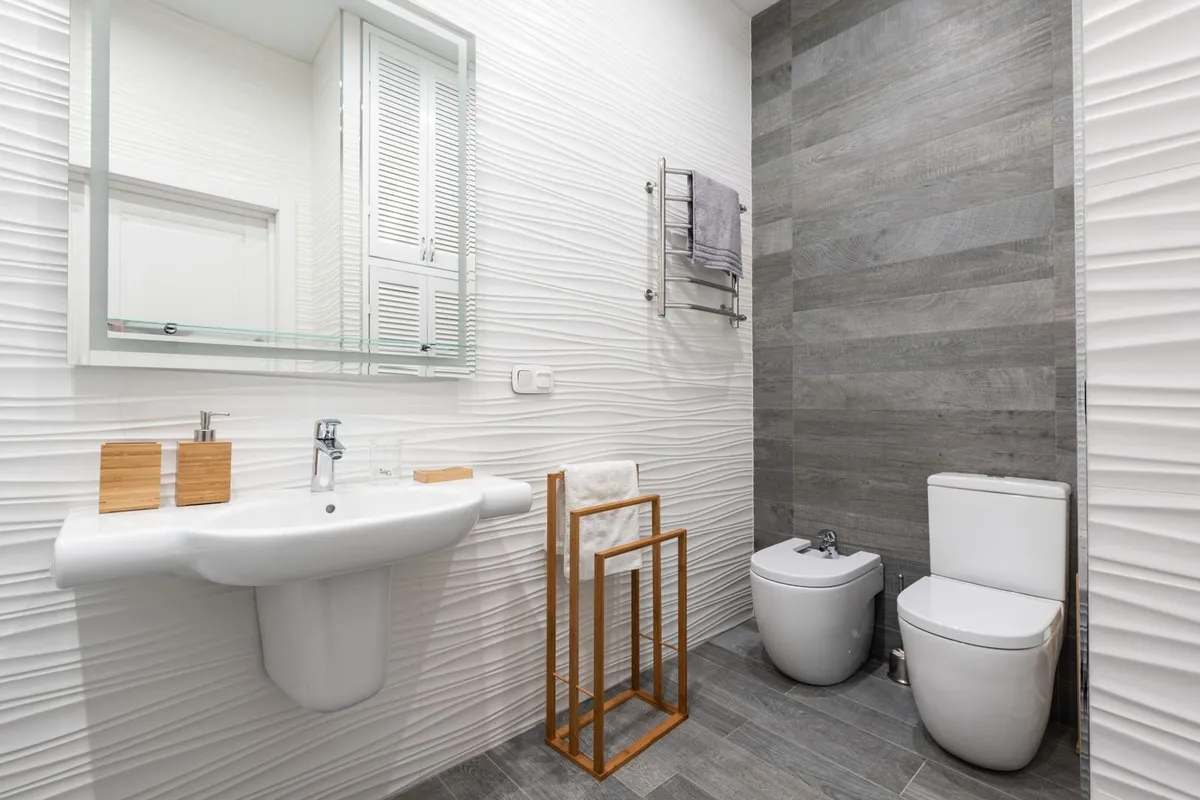
The Best Materials, Ranked Honestly
Porcelain. The default winner. Dense, hard, almost non absorbent, frost proof, and printed in convincing marble, stone, concrete and wood looks. Matte porcelain in a mid size format is the floor we would point most families to, and it is what our bathroom renovation clients choose most often.
Ceramic. A fair second for light use bathrooms: a guest ensuite or a powder room with a floor rated tile (check the wear rating, PEI 3 or better). It costs less and cuts easier, but its body absorbs more water and chips more visibly than porcelain. In the main family bathroom it is the compromise, not the recommendation.
Natural stone. Marble, travertine and slate look like nothing else, and a stone floor feels luxurious, especially heated. The trade is upkeep: stone needs sealing, gentle cleaners and quick attention to spills, and some stones are slippery when polished. If your heart is set on it, read how to seal marble before you commit, because that care routine becomes part of owning the floor.
Vinyl and laminate look tiles. Not tile, and said plainly so the comparison is honest: sheet vinyl and luxury vinyl plank are warm, cheap and forgiving, and for a rental or a fast refresh they make sense. They do not last like porcelain, they can dent and lift at seams in wet rooms, and they add less value to the home. This guide ranks real tile, but pretending the alternatives do not exist would not help you decide.
Sizes and Formats: Grip Lives in the Grout Lines
Every grout line is a tiny grip strip and a tiny dirt trap at the same time, so format is a balance.
Large format tiles (60 by 60 cm and up) give a calm, modern look with few lines, and they clean fast. Their risks: a smooth large tile offers long uninterrupted slide paths when wet, and large tiles demand a very flat floor or their edges sit proud, a fault called lippage. In a small bathroom they can also mean awkward cuts.
Mid size tiles (around 30 by 30 to 30 by 60 cm) are the sweet spot for most bathrooms: enough lines for grip, few enough for easy cleaning, and forgiving of normal floors.
Small tiles and sheet mosaics grip best of all, which is why shower floors use them, but on a whole bathroom floor the many grout lines mean more cleaning and more grout to keep sealed. Reserve them for the wettest zone or as a border, unless you love the look enough to accept the upkeep.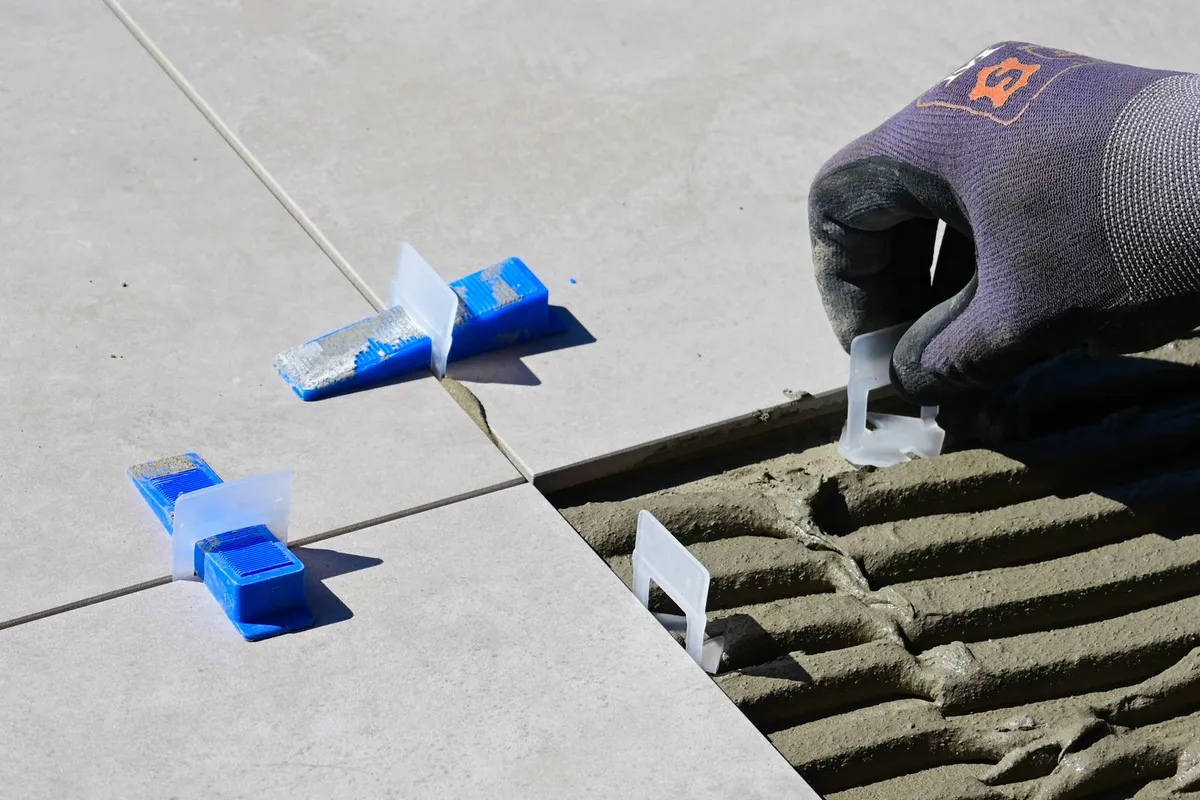
Finishes and Slip Resistance
Finish decides safety more than material does. Matte and textured finishes hold a wet foot. Polished and high gloss finishes look rich on a wall and treacherous on a wet floor, whatever they are made of.
For a shared standard, the tile industry uses a slip measure called DCOF, and the ANSI A326.3 guidance point for level interior floors expected to be walked on when wet is a DCOF of 0.42 or higher. You do not need to memorise the number; you need to ask for it, or check the maker’s sheet, before a floor tile goes in a bathroom. The Tile Council’s resource center explains the standard, and consumer guides at Why Tile cover slip resistance in plain terms. Makers such as Daltile list the rating right on the product page.
Heated Floors: The Upgrade Worth Planning
Tile feels cold in a Niagara winter, and electric heat mats under tile solve that completely. Porcelain and stone both conduct the heat well, the system adds little floor height when planned into the install, and a programmable thermostat keeps running costs sane by warming the floor for the morning rush only. Systems from makers such as Schluter combine the heat with an uncoupling membrane that protects the tile from subfloor movement.
Two planning notes. Heat must be decided before tiling, not after; the mat, wiring and thermostat go in during the install. And a heated floor dries spilled water faster, which quietly helps grout stay cleaner between deep cleans.
Colour, Pattern and Grout Pairing
Light tiles make a small bathroom feel bigger and show water spots less than very dark ones, while mid tones hide the most daily evidence. Wood look porcelain planks warm up a bathroom without any of wood’s water problems, and stone look porcelain gives the marble feel at a fraction of the upkeep.
Grout colour does as much visual work as the tile. A matching grout colour gives a calm, unbroken floor; a contrasting one shows off the tile shape and hides less dirt in the lines. Our guide on what colour grout to use with white tile walks through the pairing logic with examples, and it applies to floors exactly as it does to walls.
The Hidden Half of the Floor: Underlayment and Grout
The best tile for bathroom floor use still fails on a bad base. Tiles need a stiff, flat and water aware foundation: a proper underlayment or uncoupling membrane over the subfloor, so minor movement below does not crack tiles or grout above. In practice this hidden layer decides whether a floor stays silent and solid or starts creaking and cracking within a few winters.
Grout choice matters almost as much. Narrow joints suit rectified porcelain and a modern look; slightly wider joints forgive normal size variation in ceramic and stone. In the wettest bathrooms, epoxy grout earns its higher price by resisting stains and water far better than standard cement grout, and whichever grout you choose, sealing the lines after they cure keeps the floor looking new far longer. Choosing the best tile for bathroom floor results means choosing these layers with the same care as the tile face, because the floor you walk on is the whole system, not just the surface.
What to Avoid on a Bathroom Floor
- Polished marble or polished porcelain in a family bathroom: beautiful, slippery, and quick to show etching and water marks.
- High gloss ceramic sold for walls: wall tiles are not made for floor wear or grip, whatever the display suggests.
- Very small mosaics across a large floor, unless you accept the grout cleaning that comes with them.
- Skipping the flatness check under large format tile: lippage is a toe catcher and a dirt line at every edge.
- Choosing by the dry showroom feel: run a wet hand across the sample. The difference between finishes is obvious the second water is involved.
Key tip: take the sample home and test it wet. Stand on it in socks, then with wet bare feet if the shop allows a water test at home. Two minutes of testing tells you more about a bathroom floor than an hour of looking at it dry.
A Note on Cost
Porcelain costs more than ceramic per square foot and a little more to install, stone costs more again once sealing and care are counted, and heating adds its own line to the quote. What moves the total most is rarely the tile itself: it is floor preparation, layout complexity and the extras chosen. The cost of tile work in the Niagara Region guide breaks those factors down, and our tile installation services page shows what a proper bathroom floor install includes. Setting materials and membranes from makers such as MAPEI are part of that picture, and the Natural Stone Institute’s care guidance is worth reading before choosing any real stone floor.
Frequently Asked Questions
What is the best tile for a small bathroom floor?
Matte porcelain in a mid or large format, in a light to mid tone. Fewer grout lines make the room feel larger, the light colour opens it up, and a matching grout colour keeps the floor calm. Keep the finish matte for grip, and carry the same tile into a walk in shower area if there is one, for a single continuous floor.
Is porcelain or ceramic better for a bathroom floor?
Porcelain, for almost every bathroom. It absorbs far less water, resists chips and wear better, and handles the daily wet cycle for years longer. Ceramic is acceptable in a light use ensuite with a floor rated product, and it costs less, but porcelain is the safer long term buy for the main bathroom.
What size tile is best for a bathroom floor?
Mid size formats around 30 by 30 to 30 by 60 cm suit most bathrooms: enough grout lines for grip, few enough for easy cleaning. Large format works in bigger bathrooms with flat floors and a grippy finish. Very small tiles belong mainly on shower floors, where the extra grip matters most.
Are large format tiles slippery in a bathroom?
They can be, because long smooth surfaces give a wet foot nothing to catch on. A large tile with a matte or textured finish and a proper slip rating is fine; a polished large tile is the risky one. The finish and the DCOF rating matter more than the size alone.
Can you put heated floors under bathroom tile?
Yes, and tile is the best surface for it. Electric heat mats install under porcelain, ceramic and stone during the tiling work, warm the floor evenly, and run on a programmable thermostat. The system must be planned before tiling starts, since the mat and wiring sit under the tile layer.
What bathroom floor tile is easiest to maintain?
Matte porcelain with a mid tone colour and a matching mid tone grout. It hides daily dust and water marks, needs no sealing on the tile itself, cleans with water and a mild cleaner, and the grout lines are few enough to keep sealed without a fight.
What Our Clients Say
BGM Construction holds a 5.0 rating from 9 Google reviews across the Niagara Region.
Read our reviews on Google
Planning a bathroom floor you will not have to think about for years? Tell BGM Construction about your project and get a written quote.

One Response