The short answer: choose porcelain for floors, showers and anywhere water, heavy traffic or freezing weather is involved. Choose ceramic for walls, backsplashes and light use areas where its lower price and easier cutting shine. Both are clay tiles. Porcelain is made from finer clay, pressed harder and fired hotter, so it ends up denser, stronger and far less absorbent, with a water absorption rate of 0.5 percent or less. Ceramic is softer and more porous, which makes it cheaper and easier to work with, but weaker in wet and busy areas.
Walk into any tile shop and the first question sounds simple: porcelain or ceramic? The boxes sit side by side, the prices overlap, and the names get used loosely even by people selling them. Yet the choice quietly decides how your floor handles a Canadian winter, how your shower walls deal with daily water, and whether a dropped pan chips the tile or bounces off. This porcelain vs ceramic tile guide compares the two materials on the things that actually matter at home: what they are made of, how much water they absorb, how hard they wear, what they cost to buy and install, and which rooms each one suits. No winner takes every category, and that is the honest point. The right answer depends on where the tile is going.What Is the Difference Between Porcelain and Ceramic Tile?
All porcelain is ceramic, but not all ceramic is porcelain. Both start as clay shaped and fired in a kiln. The difference is the recipe and the firing. Ceramic tile uses a coarser clay, fired at lower temperatures. The result is a tile body that is lighter, softer and more porous. Most ceramic tiles get a glazed surface, and that glaze carries the colour and pattern. Porcelain uses finer, purer clay with mineral fluxes, pressed under higher pressure and fired at higher temperatures. The body comes out dense and hard, with a water absorption rate of 0.5 percent or less, which is the formal line that earns a tile the porcelain name under the ANSI A137.1 standard. The Tile Council of North America’s resource center explains these material standards in plain language, and the consumer guides at Why Tile cover the same ground for homeowners.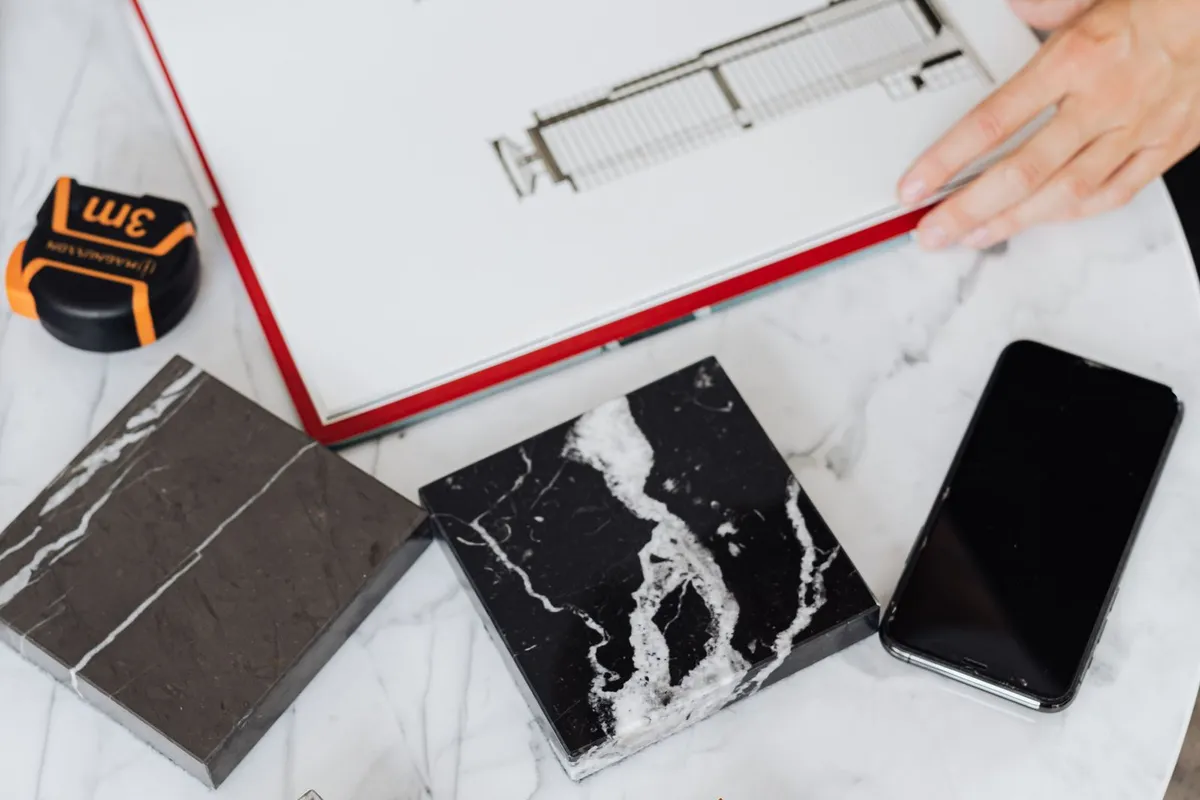
Water Absorption: The Number That Decides Wet Areas
If you remember one difference, make it this one. Porcelain absorbs 0.5 percent of its weight in water or less. Regular ceramic can absorb several times that through its body wherever the glaze is cut, chipped or absent, such as at edges and drilled holes. In a shower or on a bathroom floor, water reaches tile edges and grout lines every day. A dense porcelain body gives that water almost nowhere to go. In Niagara’s climate there is a second test: freeze and thaw. Water trapped inside a porous tile expands when it freezes, and over a few winters that can crack outdoor or unheated entry tiles. Porcelain’s low absorption is why it is the standard pick for porches, entryways and any tile that faces Canadian cold. Glazed ceramic is not helpless in wet rooms. The glaze itself is glass, and a well glazed wall tile sheds water on its face for decades. The weakness shows at cut edges, on floors where grout lines and traffic wear meet standing water, and anywhere the tile body can drink from behind.Hardness and Wear: PEI Ratings Explained
Tile surfaces are rated for wear with the PEI scale, which runs from 1 to 5. Ratings 1 and 2 suit walls and the lightest floor use. Rating 3 covers most home floors. Ratings 4 and 5 handle busy floors and commercial traffic. Porcelain usually scores at the top of this scale and shrugs off grit, chair legs and dropped tools better than ceramic. Its colour can also run through the body (called through body or colour body porcelain), so a small chip shows far less than it does on a glazed ceramic tile, where a chip reveals the different coloured clay underneath. Ceramic’s softness is not all downside. It cuts easily with basic tools, drills cleanly for fixtures, and is forgiving to install, which is one reason it remains the wall tile of choice. A wall never meets a dropped cast iron pan, so paying for porcelain hardness there buys little.Porcelain vs Ceramic Tile at a Glance
| Feature | Porcelain | Ceramic |
|---|---|---|
| Water absorption | 0.5 percent or less | Higher, body absorbs through edges |
| Body | Dense, hard, fine clay | Softer, coarser clay |
| Best wear rating | PEI 4 to 5 common | PEI 1 to 3 typical |
| Cutting and drilling | Hard, needs a quality wet saw and bits | Easy with basic tools |
| Outdoor use in cold climates | Yes, frost resistant | Risky, can crack in freeze and thaw |
| Price of tile | Usually higher | Usually lower |
| Installation cost | Higher, harder material, slower cutting | Lower, faster to work |
| Chip visibility | Low on colour body types | High, clay colour shows under glaze |
Cost: Tile Price and Installation Price
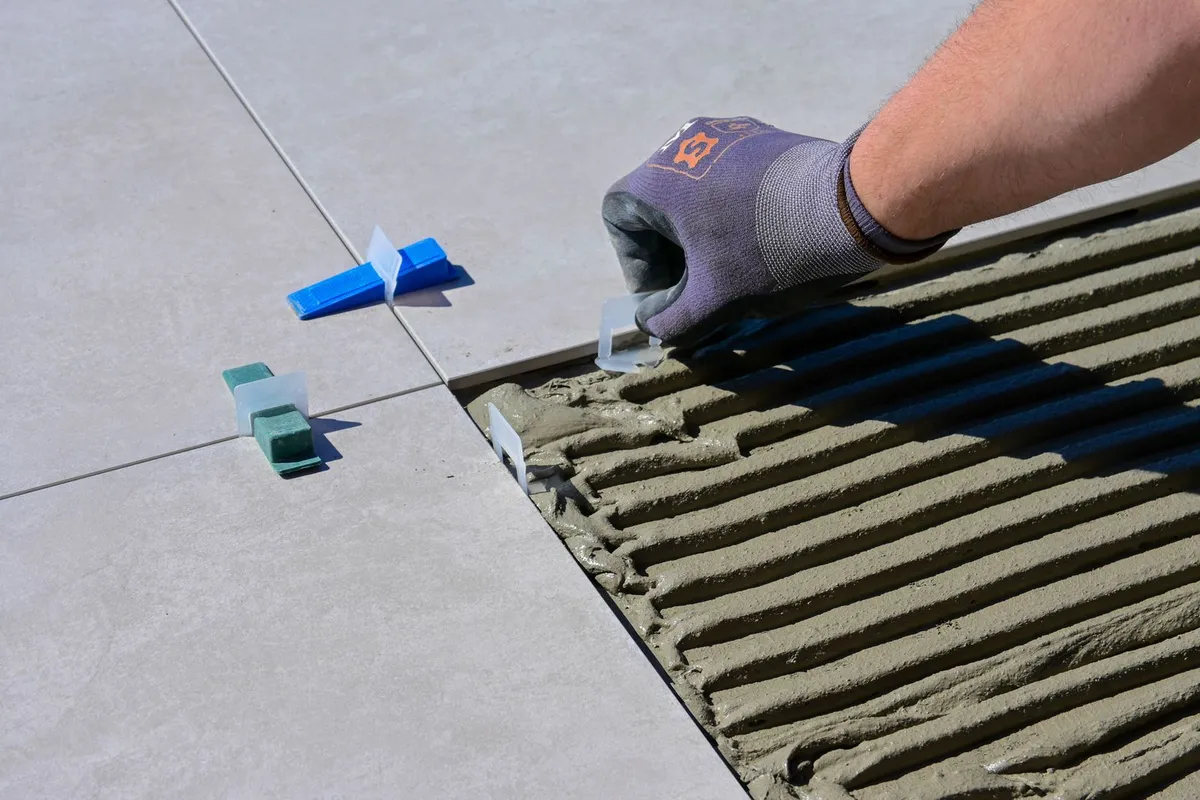
Ceramic usually wins the shelf price comparison, sometimes by a wide margin on decorative lines. Porcelain usually costs more per square foot, and the gap continues at installation. Porcelain is harder to cut, slower to drill, heavier to handle, and it asks for the right thinset and a flat substrate to avoid lippage, all of which adds labour time. Our tile installation services page describes what a proper install involves, and the cost of tile work in the Niagara Region guide breaks down the factors that move a quote up or down. The honest comparison is lifetime cost. A ceramic floor in a busy kitchen may chip and tire years before a porcelain one does, while a porcelain wall in a guest bathroom is money spent on strength nobody uses. Match the material to the room and both options can be the economical one.How to Tell Porcelain From Ceramic in the Store
Shelf labels are not always honest, so use your hands and eyes. Pick up one tile of each in the same size: the porcelain one feels noticeably heavier, because its body is denser. Look at the unglazed edge or a cut corner. On a glazed ceramic tile the body colour under the glaze is often a different shade, sometimes a warm red or pale buff, while colour body porcelain stays close to its surface colour all the way through. Turn the tile over. Makers stamp useful information on the back, and true porcelain is often marked as such, along with the wear rating. If the box lists a water absorption figure, that number settles the porcelain vs ceramic tile question by itself: 0.5 percent or less is porcelain. When in doubt, ask for the specification sheet rather than trusting the display sign, and be cautious with any very cheap large format floor tile sold as porcelain, because the porcelain vs ceramic tile gap shows up first in the body, not the face.Which Tile for Which Room?
Shower floors and walls. Porcelain, for the water absorption and strength. Small format porcelain on shower floors also gives more grout lines for grip. Our guide to the best tile for shower floor sizes covers the formats and finishes in detail, and our shower tile installation team builds these every week.Bathroom floors. Porcelain again for most homes, especially the family bathroom. A quiet ensuite with light use can carry ceramic if the price difference matters, as long as spills get wiped and the installation is sound. See what full bathroom renovations involve when tile choice is part of a bigger job.Kitchen floors. Porcelain. Kitchens combine heavy traffic, dropped objects, water and grease, and porcelain handles all four.Backsplashes and walls. Ceramic shines here. It is cheaper, easier to cut around outlets, and its glazes offer the widest colour and pattern range. Pair it with the right line colour using our guide on what colour grout to use with white tile.Entryways and porches. Porcelain, because of freeze and thaw. Choose a textured finish for grip in wet weather.Outdoor patios. Porcelain pavers made for exterior use are the tile answer in this climate. Ceramic does not belong outdoors here.
Appearance: Colour, Pattern and Finish
Ceramic’s glaze carries almost any colour or pattern a maker can print, and handmade look ceramic lines have a soft variation many people love. Porcelain has closed the gap with digital printing that copies marble, stone and wood grain convincingly, on a body that outlasts the real thing in wet rooms. Digital printing also copies terrazzo, and our terrazzo tile pros and cons guide compares the real cement and resin types with the porcelain look. If you love the look of stone but not its upkeep, the Natural Stone Institute’s care guidance shows what real stone asks of you, and our marble work page shows the genuine material in finished rooms, which helps the comparison. Finish matters as much as material. Polished surfaces show water spots and can be slippery when wet, whatever the tile is made of. Matte and textured finishes grip better and hide daily wear. Large format porcelain also means fewer grout lines and a cleaner look, though it demands a flatter floor, a point manufacturers like Daltile make in their installation guidance.Maintenance and Sealing
Both glazed tiles clean easily with water and a mild cleaner, and neither glazed porcelain nor glazed ceramic needs sealing on its face. The grout between them is the part that benefits from sealing, which our grout guides cover. Two exceptions deserve a note. Unglazed and polished porcelain can benefit from a penetrating sealer at installation, as the maker directs, because the polishing process opens tiny surface pores. And crackle glazed ceramics, pretty as they are, have a crazed surface that takes on water and stains by design, so they belong on walls away from heavy water. System makers such as Schluter and setting material makers such as MAPEI publish the substrate and waterproofing guidance that keeps either tile choice performing for decades.Key tip: read the box, not the shelf label. Shops sometimes label any dense floor tile as porcelain. The specification that matters is the water absorption rate: 0.5 percent or less means true porcelain, whatever the display sign says.

Frequently Asked Questions
Is porcelain tile better than ceramic?
For floors, showers and outdoor use in a cold climate, yes: porcelain is denser, stronger and absorbs almost no water. For walls and backsplashes, ceramic is often the smarter buy because it costs less, cuts easier and offers more decorative range. Better depends on the room, not the label.Can ceramic tile be used on floors?
Yes, within its wear rating. A PEI 3 ceramic suits a bathroom or bedroom floor with normal home traffic. It is a weaker choice for kitchens, entryways and busy family floors, where porcelain’s hardness and chip resistance earn their price.Is porcelain tile slippery?
Any smooth tile can be slippery when wet, porcelain included. For floors, choose matte or textured finishes and check the maker’s slip guidance. Small tiles with more grout lines also add grip, which is why shower floors use them.Does porcelain tile need to be sealed?
Glazed porcelain does not need sealing. Polished or unglazed porcelain may benefit from a penetrating sealer at installation if the manufacturer recommends it. The grout lines always benefit from sealing, whichever tile you choose.Which tile lasts longer, porcelain or ceramic?
On a floor, porcelain generally lasts longer because its dense body resists wear, chips and water damage better. On a wall, both can last for decades, since walls face almost no wear. Installation quality decides more than material once the right tile is in the right room.Can porcelain tile be used outside in Canada?
Yes. True porcelain’s absorption of 0.5 percent or less makes it frost resistant, and exterior rated porcelain pavers are made exactly for patios and porches in freeze and thaw climates. Ceramic tile should stay indoors in Canada, because absorbed water can freeze inside its body and crack it.What Our Clients Say
★★★★★
BGM Construction holds a 5.0 rating from 9 Google reviews across the Niagara Region.
Read our reviews on Google: https://maps.app.goo.gl/ucobmWA1QLQLcNtW6
Still choosing between porcelain and ceramic for your project?
Tell BGM Construction about your project and get a written quote.

2 Responses