
The short answer: there is no honest single price for a bathroom renovation, in Canada or anywhere else. The total is set by scope multiplied by choices: how much of the room changes, whether plumbing moves, how much tile and waterproofing the design needs, and the level of fixtures you pick. A surface refresh and a full gut renovation of the same room can differ several times over in price. The useful skill is not memorising a number; it is knowing which decisions move the price, so you can spend where it matters and save where it does not.
Every homeowner asks the same first question: what will it cost? And every honest contractor answers the same way: it depends. That answer sounds like a dodge until you see what a bathroom renovation actually contains. Behind one door there is plumbing, electrical, waterproofing, tile, fixtures, ventilation and finishing, and each of those can be a small job or a large one depending on your choices.
This guide explains bathroom renovation cost the way a quote is actually built: the three scope levels, the drivers that move the price up or down, the Ontario permit picture, the surprises that appear in older homes, and how to read a quote so you can compare two contractors fairly. For the tile portion on its own, our cost of tile work in the Niagara Region guide goes deeper; this post covers the whole room.
The Three Scope Levels
The refresh. Surfaces only: new tile or flooring over sound work, a fresh vanity and fixtures in the same positions, new paint, lighting and hardware. Nothing moves, no walls open. This is the least expensive path because the expensive hidden systems stay untouched.
The mid renovation. The room is stripped back in the wet areas, waterproofing is renewed, the tub or shower is rebuilt, tile is replaced throughout, and fixtures upgrade, but the layout stays the same. Most family bathroom renovations live here, because the layout of a bathroom rarely needs to change and moving it is where money burns.
The full gut and layout change. Everything comes out, plumbing and drains move, walls may shift, a tub becomes a walk in shower or the reverse. This level costs the most by a wide margin, because plumbing relocation, framing, and the extra days of labour stack on top of all the finish costs the other levels also carry.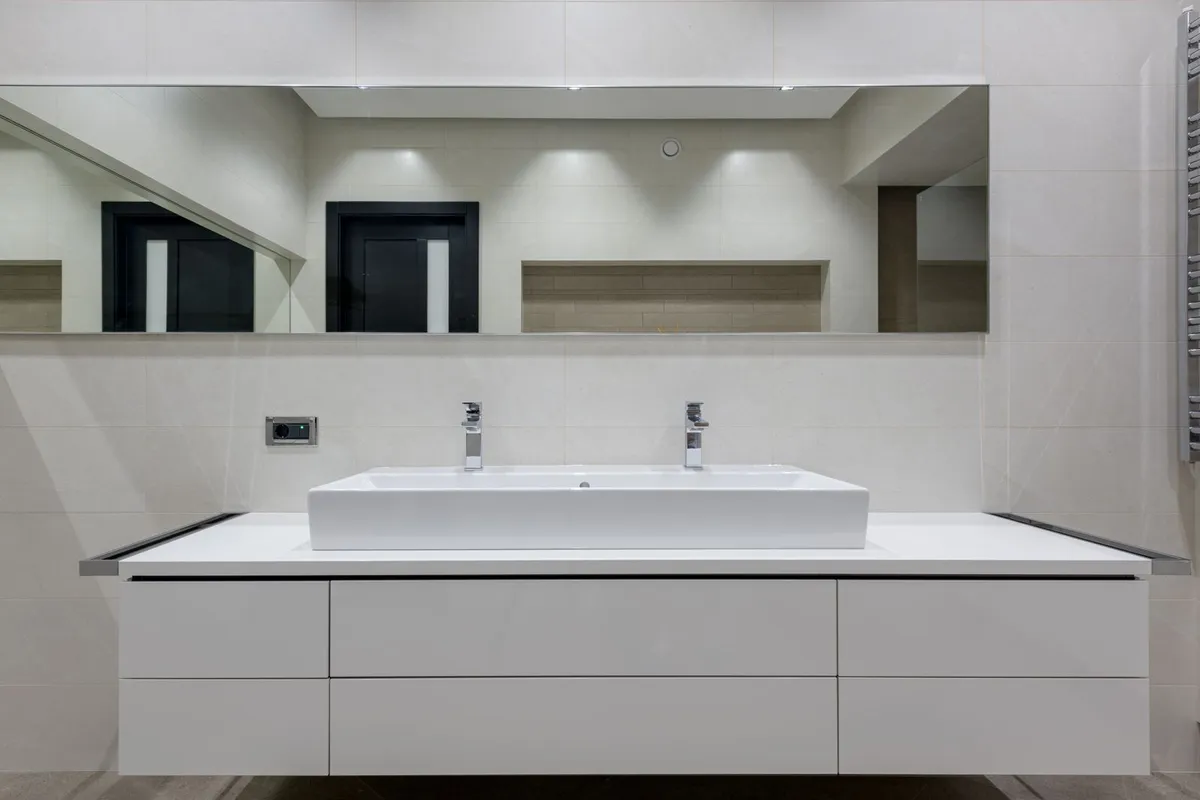
The Eight Drivers of Bathroom Renovation Cost
1. Size of the room. More square metres means more tile, more waterproofing, more flooring and more labour hours. A small ensuite and a large family bathroom are different jobs even at the same finish level.
2. Layout and plumbing moves. Keeping the toilet, tub and sink on their existing drains is the single biggest saving in bathroom work. Moving a drain means opening floors, new pipe runs, inspections and patching, and the cost climbs fast. Our bathroom renovation page shows how much of a renovation is this hidden structure.
3. Tile area and tile choice. A tiled shower with a tiled floor and a wainscot wall uses far more material and labour than a tub surround alone. Porcelain, ceramic and stone sit at different price points to buy and to install; the porcelain vs ceramic tile comparison explains why, and the best tile for bathroom floor guide covers floor picks specifically.
4. Waterproofing. A proper membrane system behind shower tile is not optional in a modern build, and it adds material and labour that older bathrooms never had. It is also the cheapest insurance in the whole project, because a leaking shower costs many times the membrane to repair. System makers such as Schluter publish how these assemblies work.
5. Fixtures and fittings. Taps, shower valves, toilets and tubs range from basic to luxury with a wide middle. Fixtures are the easiest place to raise or lower a budget without touching the quality of the hidden work.
6. Vanity and storage. A stock vanity from a store shelf and a custom built cabinet are different products at different prices. Countertop material adds its own range.
7. Electrical, lighting and ventilation. Moving or adding lights, adding a quiet fan with proper venting, heated floors and GFCI protection all add lines to the quote. A fan that actually vents outside matters for mould, a point the EPA mould guidance makes clearly.
8. Labour, disposal and site conditions. Skilled labour is the largest share of most renovation quotes, and it grows with complexity: small tiles, patterns, niches, benches and curbless entries all take time. Disposal of the old room, protection of the rest of the home, and access (a third floor bathroom in a tight stairwell) add real cost too.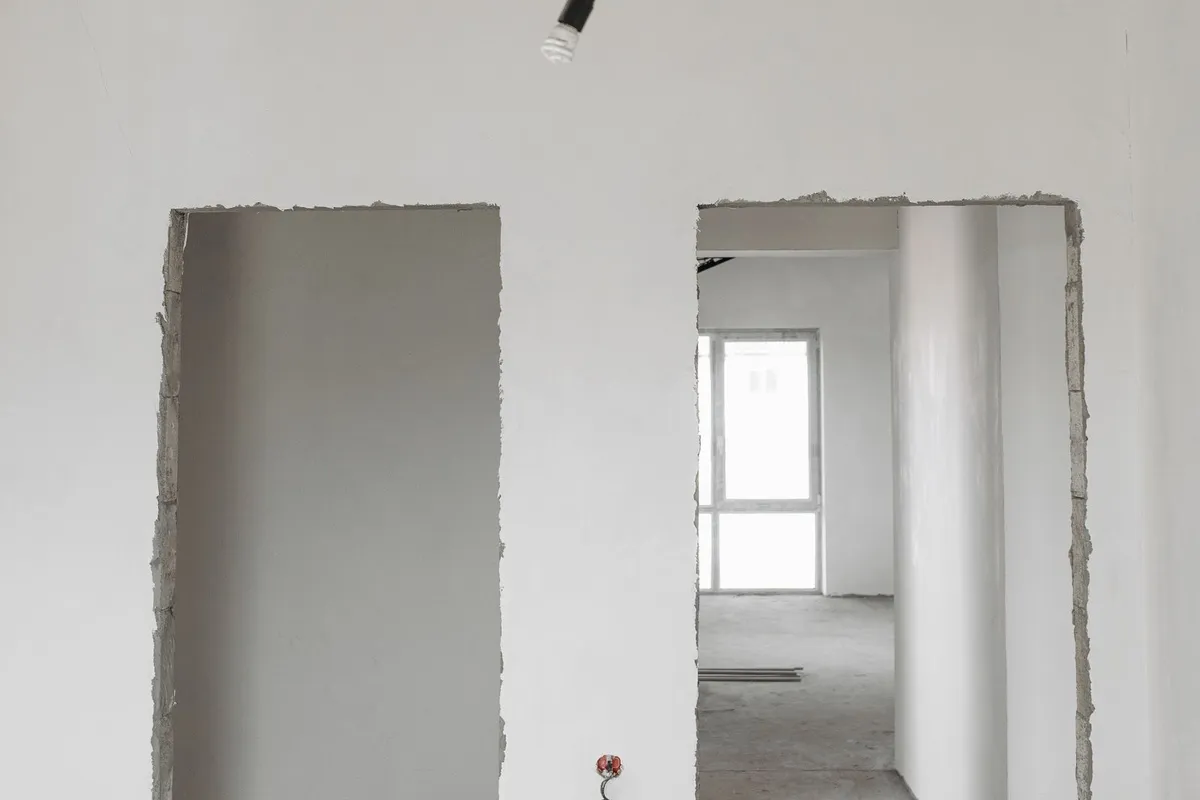
Permits in Ontario: When a Bathroom Renovation Needs One
Surface work, replacing fixtures in the same spots, tiling and painting, generally does not need a building permit. Moving or adding plumbing, changing drains, structural changes and new electrical work generally do, and the plumbing and electrical trades carry their own permit and inspection requirements in Ontario. The Ontario building code and permits guidance is the starting point, and your municipality’s building division confirms what applies to your exact project.
Permits add fees and inspection time to a budget, and they protect you: permitted work is inspected work, and unpermitted plumbing has a way of surfacing during a future home sale. A contractor who suggests skipping a required permit to save money is saving it in the wrong place.
Older Homes: Budget for the Surprise Line
Across the Niagara Region, many bathrooms being renovated sit in homes built decades ago, and opening walls and floors in an older home regularly reveals work the quote could not see: tired galvanised or cast iron drains, old water damage around the tub, mould behind failed tile, wiring that predates modern code, and in homes of a certain age, materials like old floor tiles or mastics that need testing before disturbance. The Canada Mortgage and Housing Corporation’s renovation guidance advises homeowners to plan a contingency for exactly this reason.
The practical rule: hold a contingency share of your budget back for discoveries, larger for older homes and full gut jobs, smaller for surface refreshes. A renovation that spends its contingency on a found problem is normal. A quote with no room for surprises is the risky one.
How to Keep the Cost Under Control
Keep the layout. It is the biggest lever you own. Choose every finish, tile, fixture and fitting, before work starts, because mid project changes cost double: the change itself plus the delay. Spend on the hidden work first (waterproofing, plumbing, ventilation) and economise on the visible items you can upgrade later, like mirrors, accessories and even the vanity hardware. And get the whole scope in writing, itemised, so the price you approved is the price the work follows. Industry planning guidance from bodies such as the National Kitchen and Bath Association makes the same points: define the scope fully, then price it.
Statistics on construction costs move with materials and labour markets, which is another reason fixed numbers in articles age badly; Statistics Canada tracks construction price indexes if you want to see why a quote from three years ago no longer matches today’s.
Key tip: compare quotes by their item list, not their total. Two quotes for the same bathroom can differ widely because one includes waterproofing, disposal, permits and fixture allowances and the other quietly leaves them out. Ask each contractor to price the same written scope, line by line.
What a Proper Written Quote Should Itemise
- Demolition and disposal of the old room
- Plumbing work, stated as fixtures kept in place or moved
- Electrical work and ventilation
- Waterproofing system for the shower and wet areas
- Tile: areas covered, tile type, and pattern complexity
- Fixtures and fittings, with allowances stated if you have not chosen them yet
- Vanity, countertop and mirror
- Permits and inspections, where required
- What is NOT included, written down rather than assumed
If a line you expected is missing, ask before you sign, not after the wall is open. Our tile installation services and shower tile installation pages show the standard of work each line should describe, and for a stone feature in the design, the marble work page shows what that craft involves.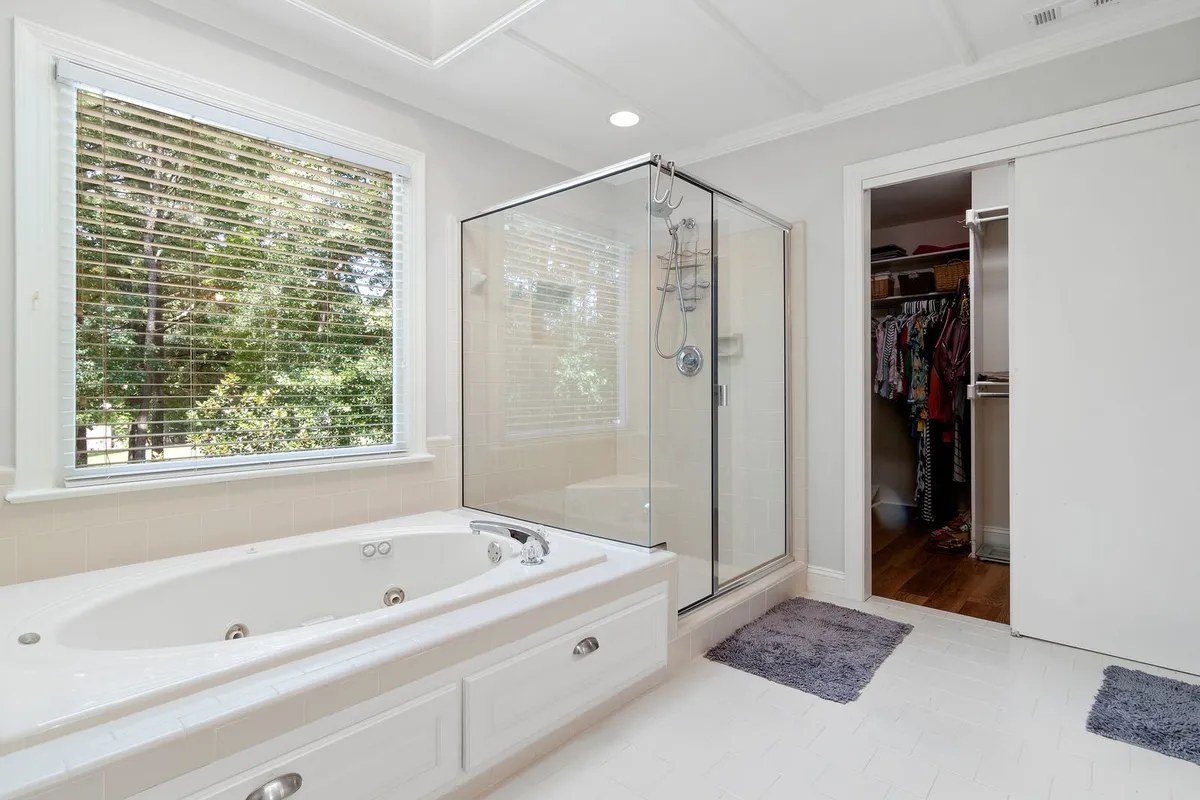
Frequently Asked Questions
How much does a bathroom renovation cost in Canada?
There is no single honest figure. A refresh that keeps every fixture in place costs a fraction of a full gut renovation with moved plumbing, and a small ensuite costs less than a large family bathroom at the same level. The scope levels and drivers in this guide are the reliable way to estimate your own project: decide the level, count the tile area, list the fixtures, then get itemised quotes against that written scope.
Why do bathroom renovation quotes vary so much?
Because the quotes are rarely pricing the same job. One includes a full waterproofing system, permits, disposal and mid range fixtures; another assumes the old waterproofing is fine, skips permits and leaves fixtures as a vague allowance. Itemised quotes against one written scope make the differences visible, and the cheapest total is often the one missing the most lines.
Can I renovate a bathroom in stages to spread the cost?
Some parts stage well: paint, mirrors, lighting and hardware can come later without reopening anything. The wet work does not: waterproofing, tile and plumbing belong in one phase, because tiling over a shower you plan to redo next year wastes the tile. Stage the cosmetics, not the structure.
Do I need a permit to renovate a bathroom in Ontario?
For surface work and like for like fixture swaps, generally no. For moving or adding plumbing, changing drains, structural changes and new electrical, generally yes, with inspections. Your municipality’s building division confirms the exact requirements for your project, and a good contractor will tell you plainly which parts of your job need one.
How long does a bathroom renovation take?
A refresh can be days. A mid renovation with a rebuilt shower is usually measured in weeks, and a full gut with moved plumbing takes longer again, especially with inspections in the schedule. Tile curing, waterproofing and inspection steps cannot be rushed without risking the result, so a timeline with some slack is a healthier sign than a promise of record speed.
What part of a bathroom renovation adds the most value?
The unglamorous parts: sound plumbing, real waterproofing, good ventilation and well laid tile. Buyers and inspectors both look past shiny fixtures to whether the room was built properly. A mid level renovation done thoroughly usually holds its value better than a luxury finish over tired hidden work.
What Our Clients Say
BGM Construction holds a 5.0 rating from 9 Google reviews across the Niagara Region.
Read our reviews on Google
Planning a bathroom renovation in the Niagara Region? Tell BGM Construction about your project and get a written quote.

One Response