
A pool is a place to cool off, to gather, and to enjoy a backyard through a long Niagara summer, and the tile you choose does a lot more than set the colour of the water. It shapes how the pool looks from the deck, how easy it is to keep clean, how safe the steps feel underfoot, and how well the surface holds up through freeze and thaw. Good pool tile ideas start with how a pool is actually used, not with a single pretty photo, because a waterline band, a mosaic floor, and a full tile interior all work in different ways. This guide walks through the main pool tile ideas in plain terms, explains which materials are safe for pools in Canada, and shows how to match a style to your home, your budget, and your winter.
Start at the waterline, where tile works hardest
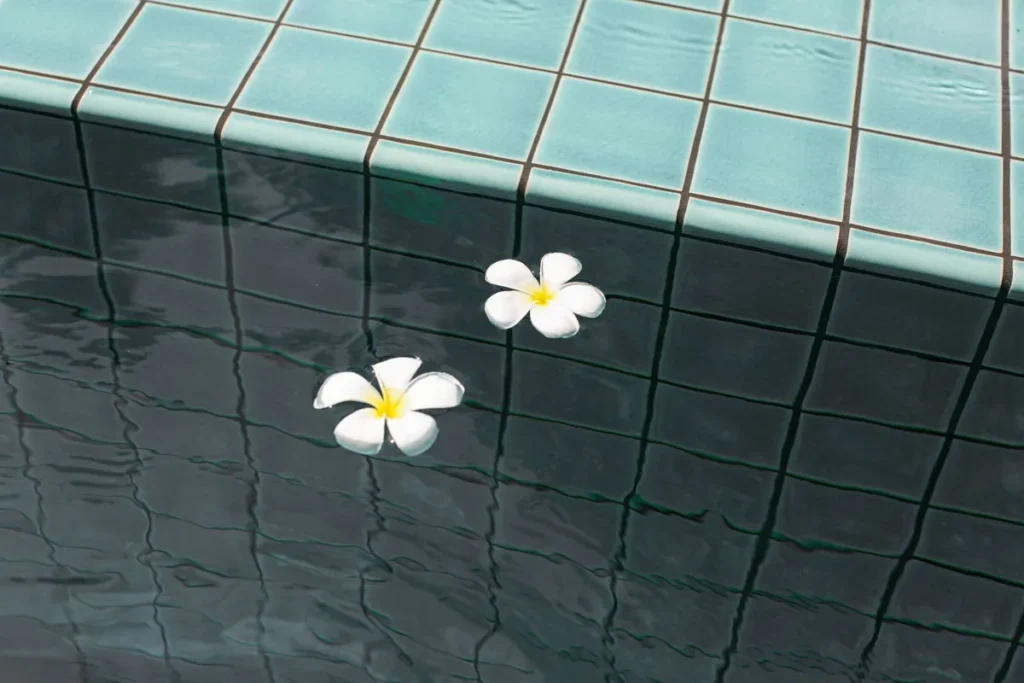
The waterline is the band of tile that sits at the water level, usually about 150 mm to 200 mm high, and it is the hardest working tile in the pool. It meets water, sun, sunscreen, leaves, and cleaning products every day, so it needs a dense, non porous surface that resists staining and algae. It is also the tile you see most, because it frames the water and sets the tone for the whole pool. For that reason, many owners put their best tile at the waterline and use a simpler tile elsewhere.
Classic waterline ideas include a single row of deep blue porcelain, a soft aqua glass mosaic, or a stone look band that matches the coping. A dark blue band makes the water look deeper and more formal. A pale aqua or sea glass band makes the water look lighter and brighter, which suits a small pool or a shaded yard. A mixed mosaic band, with two or three close tones, hides water marks better than one flat colour and adds movement without looking busy. If you want a quiet, high end look, keep the waterline to one calm tone and let the water, the sky, and the deck do the talking.
For a bolder look, try a patterned waterline with a simple repeat, such as a soft wave, a small diamond, or a hand painted style motif. Keep the pattern small and the colours close together so it reads as texture from the deck, not as a loud border. Avoid a very dark waterline if your pool gets full afternoon sun and you dislike visible calcium lines, because light deposits show more on dark tile. In every case, choose a pool rated tile, a pool rated setting material, and a grout that is made for constant immersion, and ask your installer how the waterline will be sealed and cleaned in the first season.
Mosaic blends: the easiest way to add depth
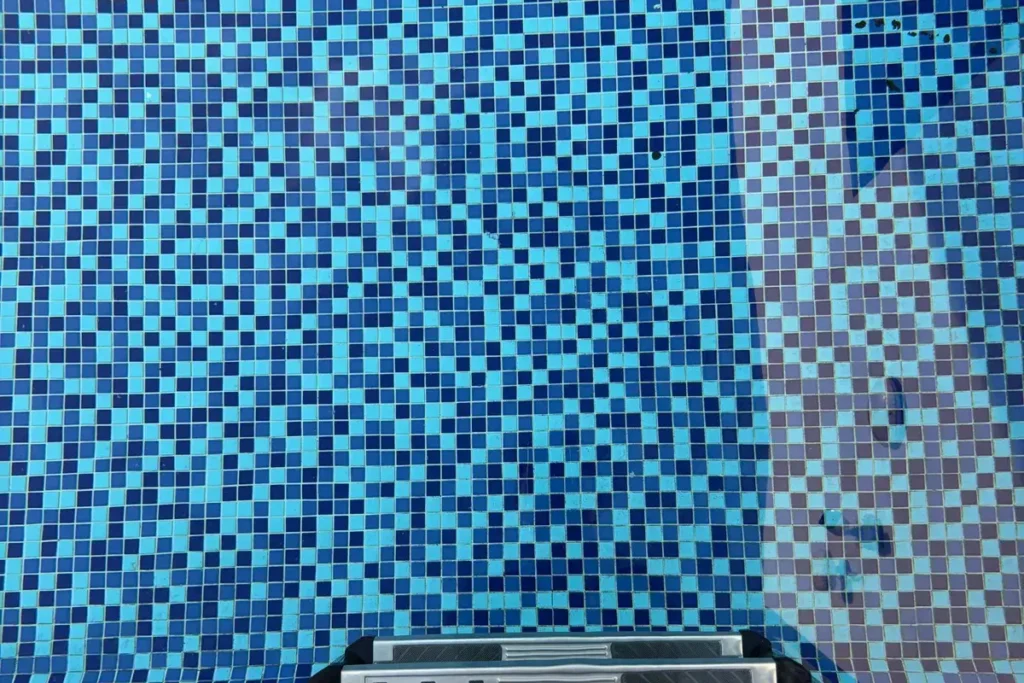
Mosaic blends are sheets of small tiles in several close colours, and they are one of the most useful pool tile ideas because they add depth without a strong pattern. Under water, a blend looks natural and forgiving. Small marks, leaves, and uneven light are less noticeable, and the floor does not show every footstep or cleaning line. Blends also let you control the water colour in a subtle way, because the mix of tile tones, the depth of the pool, and the sky all work together.
A blue blend with light, mid, and dark blue is a safe classic for a family pool. A green blend with aqua and soft grey suits a natural yard with trees and stone. A sandy blend with beige, cream, and pale grey gives a lagoon feel and makes a shallow pool look warm and inviting. If you want a modern look, choose a blend with cool greys and a single blue accent, and keep the surrounding deck simple so the pool stays the focus. In a small pool, use smaller mosaic pieces and a lighter blend, because large dark tiles can make a compact pool feel smaller. Mosaics are also practical on curved walls, coves, and radius steps, where large tiles would need many cuts, and the many grout joints give grip on steps and ledges.
Glass tile in pools: light, colour, and care
Glass tile is the most luminous pool tile choice. It does not absorb water, it holds its colour under water, and it catches light in a way that porcelain cannot match. In a sunny pool, glass mosaic can look like moving water itself, with soft sparkle at the surface and deep colour at the floor. It is a natural choice for a waterline accent, a spa, a feature wall, or a small plunge pool where you want a jewel like finish.
Glass also needs the most careful installation. It shows every void, every uneven bed, and every colour change in the adhesive behind it, so the installer must use full coverage, a white pool rated adhesive where the maker calls for it, and a grout colour that suits the glass. Glass can be slippery on a floor, so it is usually best on walls, waterlines, and vertical features, with a slip resistant tile on steps and floors where feet land. A practical glass idea is a glass waterline with a porcelain floor, or a glass mosaic panel on the back wall, framed by plain porcelain, which gives you the glow of glass where you see it most without the cost of a full glass interior.
Full tile pool interiors: a seamless, high end look
A full tile interior tiles the floor, the walls, and the coves in one material or in a close blend, with no painted plaster or vinyl liner showing. The result is seamless, easy to read, and very durable when it is built well. Water colour is more predictable, cleaning is simpler because the surface is hard and smooth, and small repairs can be made tile by tile instead of recoating a whole surface. A full tile pool is a larger investment up front, but many owners choose it for a long term pool that they plan to keep for decades.
For a full interior, porcelain mosaic is often the most practical choice in Niagara, because it is dense, frost resistant, and available in many blends. A mid blue mosaic gives a classic resort look. A pale aqua mosaic gives a bright, shallow lagoon look. A grey blue mosaic gives a modern, calm look that suits a contemporary home and a simple deck. Keep the grout colour close to the tile colour so the floor reads as one surface, and choose a grout that is made for pools and for the joint width your tile needs. If a full interior is beyond your budget, a tiled waterline, tiled steps, and a tiled feature wall give a similar feel while the main floor stays in a simpler finish.
Step and ledge markers: safety that looks intentional
Steps, ledges, and sun shelves are where tile can help people most, because they are the places where feet, hands, and eyes need clear cues. A contrasting tile on the nosing of each step makes the edge easy to see under water, which helps children, guests, and anyone entering the pool at dusk. A slip resistant mosaic on the tread gives grip without feeling rough on bare feet. A single accent row along a ledge can mark the change in depth and turn a safety detail into a design feature.
Good step ideas include a darker nosing tile on a lighter tread, a glass accent row set into a porcelain step, or a mosaic tread that matches the waterline blend. Keep the contrast clear but not harsh, so the steps look part of the pool, not like a warning sign. On a sun shelf, use a tile that stays comfortable underfoot in sun and that will not show every footprint. Check the slip rating and the surface finish before you commit, and ask to stand on a sample while it is wet, because a tile that feels fine dry can feel very different wet. Your installer should also plan the step layout so tile joints line up neatly at each nosing, with no tiny slivers at the edge.
Coping adjacent choices: let tile and coping work together
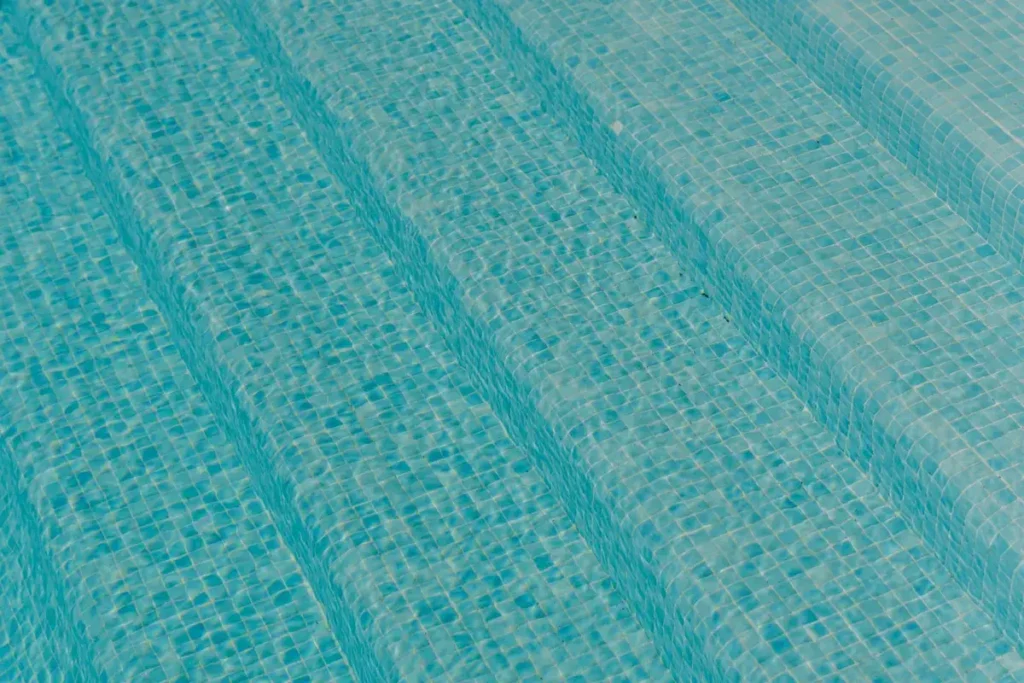
Coping is the cap at the pool edge, and the tile just below it should sit calmly beside it. If your coping is warm limestone or sandstone, a soft blue or sandy mosaic usually works better than a very bright glass, because the warm stone and the cool water need a bridge between them. If your coping is grey porcelain or concrete, a cool grey blue blend keeps the whole edge modern and quiet. Try coping and tile samples together, wet, in daylight, before you decide, because dry samples can mislead you.
Keep the joint between coping and waterline neat and sealed, and plan a small drip detail so water does not run down the tile face and leave marks. For help thinking about outdoor surfaces beyond the pool edge, see Outdoor Porcelain Pavers vs Concrete. Tile for an outdoor kitchen floor is a separate project, with its own flooring choices. Around the pool itself, the goal is simple: one calm palette from deck to coping to waterline, with one accent if you want it, not three competing ideas.
Colours and finishes: how tile changes water colour
Tile colour does not colour the water by itself. It changes how light reflects off the pool floor, so the same water can look deep blue, bright aqua, or soft green depending on tile, depth, and sky. Dark blue tile gives a deep, classic pool. Light blue tile gives a bright, resort pool. Green tile gives a natural, lagoon pool, especially with trees nearby. White or pale grey tile gives a clean, modern pool, but it shows leaves and dirt more clearly. A glossy finish sparkles and is easy to wipe clean, but it can be slippery on steps, while a matte finish looks softer and gives more grip.
Which materials are safe for pools
Only two tile families are routinely safe for a pool interior in Canada: porcelain and glass. Both are dense and non porous when they are made for pools, and both resist water, chemicals, and staining far better than ordinary ceramic, natural stone, or cement tile. Porcelain is the workhorse, glass is the showpiece, and many of the best pools use both. For more on porcelain in cold weather, see Can Porcelain Tile Be Used Outside in Winter?
| Material | Best use in a pool | Watch out for |
|---|---|---|
| Porcelain mosaic | Waterline, floors, steps, full interiors | Check frost rating and slip rating |
| Glass mosaic | Waterline, spas, feature walls | Needs full coverage and specialist setting |
| Porcelain large tile | Straight walls and modern pools | Many cuts on curves and steps |
| Stone look porcelain | Coping adjacent bands and natural yards | Keep texture gentle on bare feet |
A Canadian freeze and winter note, honestly
Niagara winters are the real test for pool tile. Freeze and thaw can crack tile that absorbs water, lift tile that was set with the wrong adhesive, and open grout joints if water gets behind the surface. That is why frost rated porcelain and pool rated glass, set with a flexible pool rated system, matter more here than in a warm climate. Winterising matters just as much: lower the water below the tile where your pool maker advises, protect the waterline from ice pressure, and do not let ice sit against a tile edge all winter without a plan. For the wider outdoor picture, see Best Outdoor Tile for a Canadian Winter.
Installation and care in brief
Good pool tile starts with a sound, clean, and level shell, a waterproofing layer where needed, and a layout planned from the waterline down, not from the floor up. That way the most visible band stays whole and the cuts fall where they are least seen. For the steps of tiling over concrete, see How to Install Tile on a Concrete Patio, and confirm with your pool installer which of those steps change for a submerged pool. Keep water chemistry balanced, brush the waterline weekly in season, and clean with a pool safe product, not a harsh household cleaner, to protect grout and glass.
Watch: how to choose waterline tile
The video below, How To Choose The Best Waterline Tile For Your Pool by California Pools and Landscape, walks through waterline choices in a clear, visual way and pairs well with the ideas above.
Tile help across the Niagara Region
BGM Construction serves the whole Niagara Region, including Thorold, Niagara Falls, St. Catharines, Welland, Fort Erie, Grimsby, Lincoln, Niagara-on-the-Lake, Pelham, Port Colborne, Wainfleet, and West Lincoln. If you are planning pool tile work, talk with the team about your pool type, your winter plan, and the look you want, so the tile, the setting system, and the grout are chosen together.
Frequently asked questions about pool tile ideas
Which is better for my swimming pool, porcelain or glass tile?
Porcelain is usually better for floors, steps, and full interiors because it is tough, frost resistant, and easier to set. Glass is better for waterlines, spas, and feature panels where its light and colour can shine. Many pools use porcelain for the main surfaces and glass as an accent.
What type of tile is best for swimming pools?
The best tile is a pool rated porcelain or glass mosaic with a frost rating suited to outdoor use in Canada, set with a pool rated adhesive and grout. Avoid ordinary wall tile, unsealed stone, and any tile that is not rated for constant immersion and freeze and thaw.
What is the best glass tile for swimming pools?
The best glass tile is a small pool rated glass mosaic on a mesh that suits immersion, with full adhesive coverage and a grout colour chosen for that glass. Ask the maker to confirm it is made for pools and for outdoor frost, not only for a shower or a kitchen backsplash.
Are glass tiles good for pools?
Yes, glass tiles are good for pools when they are pool rated and set by an installer who knows glass, because glass does not absorb water and it holds colour well. Use glass on walls, waterlines, and features, and use a slip resistant tile where feet land.
How do I choose a pool tile colour?
Choose by the water look you want, not by the dry sample alone. Dark blue gives a deep pool, light blue gives a bright pool, and a mosaic blend gives a forgiving, natural look. View samples wet, in daylight, and beside your coping before you decide.









2 Responses