Porcelain tile looks like a simple step up from ceramic until the quotes arrive. Homeowners across the Niagara Region ask us why the number for porcelain runs higher than the ceramic quote they got last year, and whether the difference is worth paying. This guide answers both questions the way we answer them on site: plainly, with the reasons behind the numbers.
You will learn why porcelain tile installation cost runs higher than ceramic, how PEI ratings and edge styles change the price, and where porcelain earns its premium over decades of use. BGM Construction installs porcelain tile across Thorold, St. Catharines, Niagara Falls, Welland, and the rest of the Niagara Region, so every figure below reflects real job conditions, not showroom theory.
Quick answer: Porcelain tile installation in Canada typically costs more than ceramic in both materials and labor. Expect installed bands in the middle to upper portion of national per-square-foot figures as of late 2026, with large-format and rectified porcelain at the top of the range. The premium comes from density: porcelain is harder to cut, wears blades faster, and demands flatter substrates. For your exact number, call +1 365-524-1898 for a free quote.
Why Porcelain Labor Runs Higher Than Ceramic
The price gap starts in the kiln. Porcelain is fired hotter and longer than standard ceramic, which fuses the clay into a denser, harder body. That density is the whole reason porcelain resists stains, frost, and heavy traffic, and it is also the reason your installer works harder for every square foot.
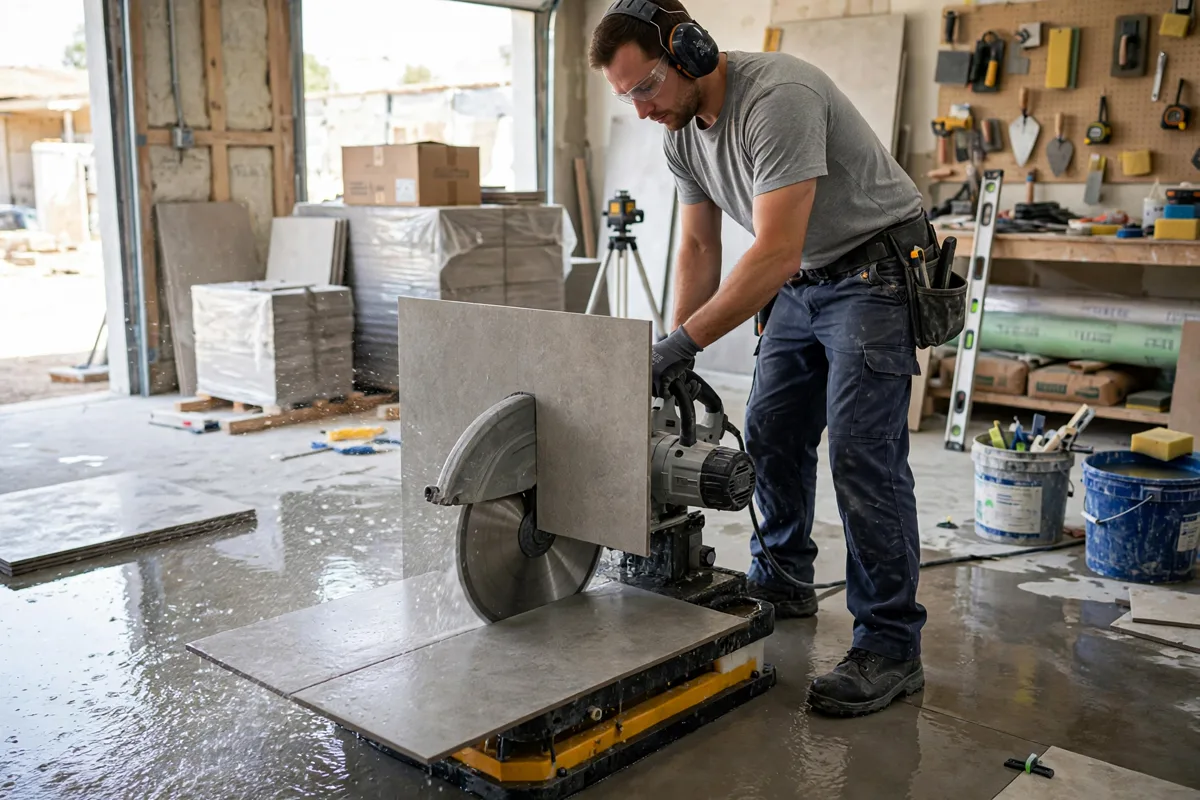
Cutting is where the difference shows first. A wet saw moves through ceramic at a steady pace, but porcelain demands a slower feed rate, a fresh diamond blade, and constant water cooling to avoid chipping the glazed face. Each cut takes longer, and a bathroom with a dozen outlet and pipe cutouts can add an hour or more compared with the same layout in ceramic.
Blades are a real cost, not a figure of speech. Porcelain dulls diamond blades noticeably faster than ceramic, and a contractor who cuts porcelain all week replaces blades far more often. That consumable cost sits inside the labor rate, which is one reason quotes for porcelain run higher even before the tile itself is priced.
Then comes flatness. Porcelain, especially rectified and large-format porcelain, shows lippage that softer ceramic hides. Installers compensate with careful substrate flattening and leveling clip systems, and both add time. When we quote a porcelain floor in Thorold or St. Catharines, we budget extra hours for floor prep that a ceramic job might skip, because the finished surface leaves no room to hide.
None of this means porcelain is a bad deal. It means the quote reflects skilled work on a demanding material. A useful rule: if two quotes for the same porcelain job differ widely, the lower one has usually skipped the prep, not found a shortcut.
PEI Ratings: What They Mean and What They Cost You
Every porcelain tile carries a PEI rating, set by the Porcelain Enamel Institute, that grades surface wear resistance on a scale from 0 to 5. The rating tells you where the tile belongs, and it quietly influences what you pay.
| PEI rating | Best use | Cost note |
|---|---|---|
| PEI 0-2 | Walls only, no foot traffic | Lowest material price; wall labor applies |
| PEI 3 | Light residential floors: bathrooms, bedrooms | Budget-friendly; fine where shoes stay off |
| PEI 4 | Kitchens, hallways, entryways | The residential sweet spot for most homes |
| PEI 5 | Heavy commercial traffic | Premium price; overkill for most houses |
Most quality porcelain floor tile sold today is PEI 4 or 5, and higher ratings usually mean a denser tile that is marginally harder to cut. The labor difference between PEI 3 and PEI 5 is small, but the material price steps up. Match the rating to the room: PEI 5 in a guest bedroom buys durability you will never use, while PEI 3 in a mudroom will look tired within a few winters. The Tile Council of North America publishes the industry standards behind these ratings for anyone who wants the technical detail.
Rectified vs Cushioned Edges: The Grout Line Decision
After firing, rectified porcelain goes back under a grinder that cuts every edge to an exact 90 degrees. The result is a tile with sharp, uniform edges that can sit with grout joints as tight as 1/16 inch, giving the clean modern floor you see in design magazines. Cushioned or pressed edges keep a slightly rounded profile from the mold, which needs wider grout lines but forgives small imperfections.
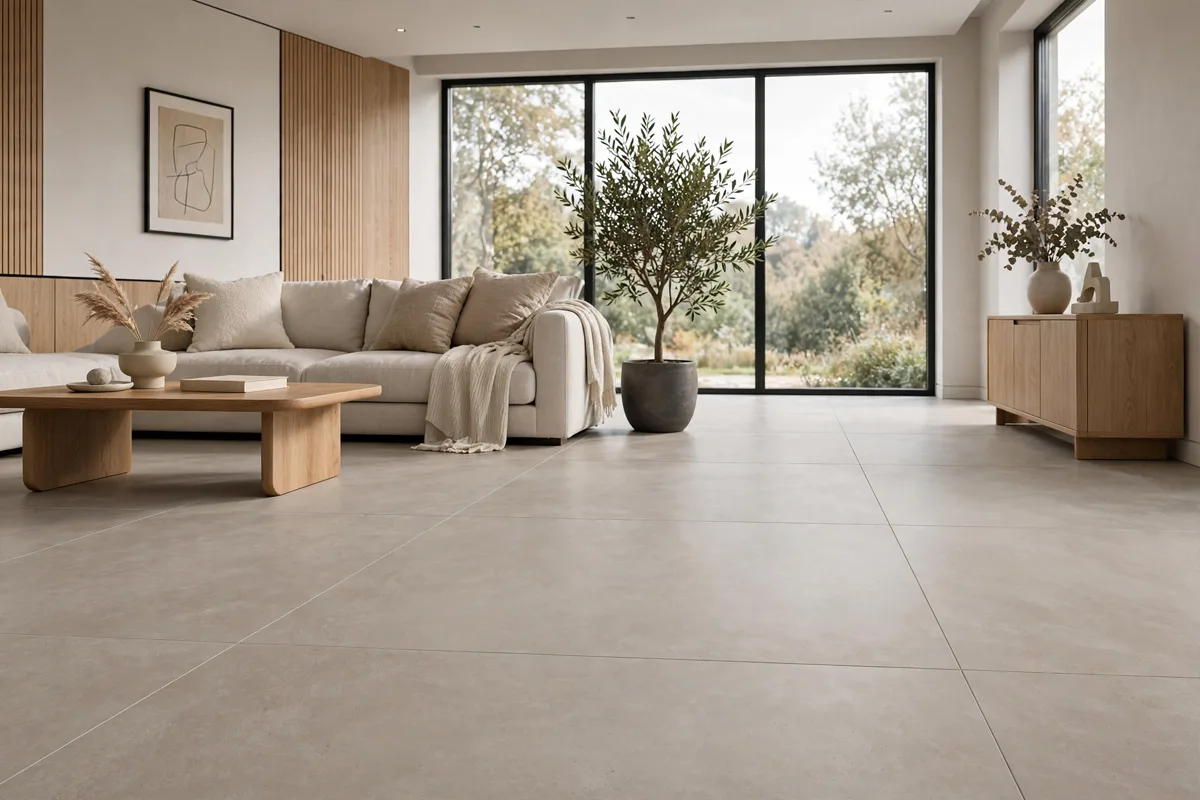
Rectified tile costs more twice: once at the store, because the extra machining step adds to manufacturing, and once in labor. Tight joints expose any lippage between neighboring tiles, so the installer must flatten the substrate more carefully and usually sets leveling clips on every tile. On a 12×24 rectified porcelain floor, those clips alone add meaningful time.
Here is the judgment call we walk clients through: rectified edges earn their premium on flat, well-prepared slabs where the crisp look can actually show. On a wavy subfloor, the extra money is wasted, because the installer will either fight lippage all day or recommend wider joints anyway. Ask your contractor to check floor flatness with a straightedge before you commit to rectified. This Old House walks through the floor prep that makes or breaks a large-format install.
Through-Body vs Glazed Porcelain
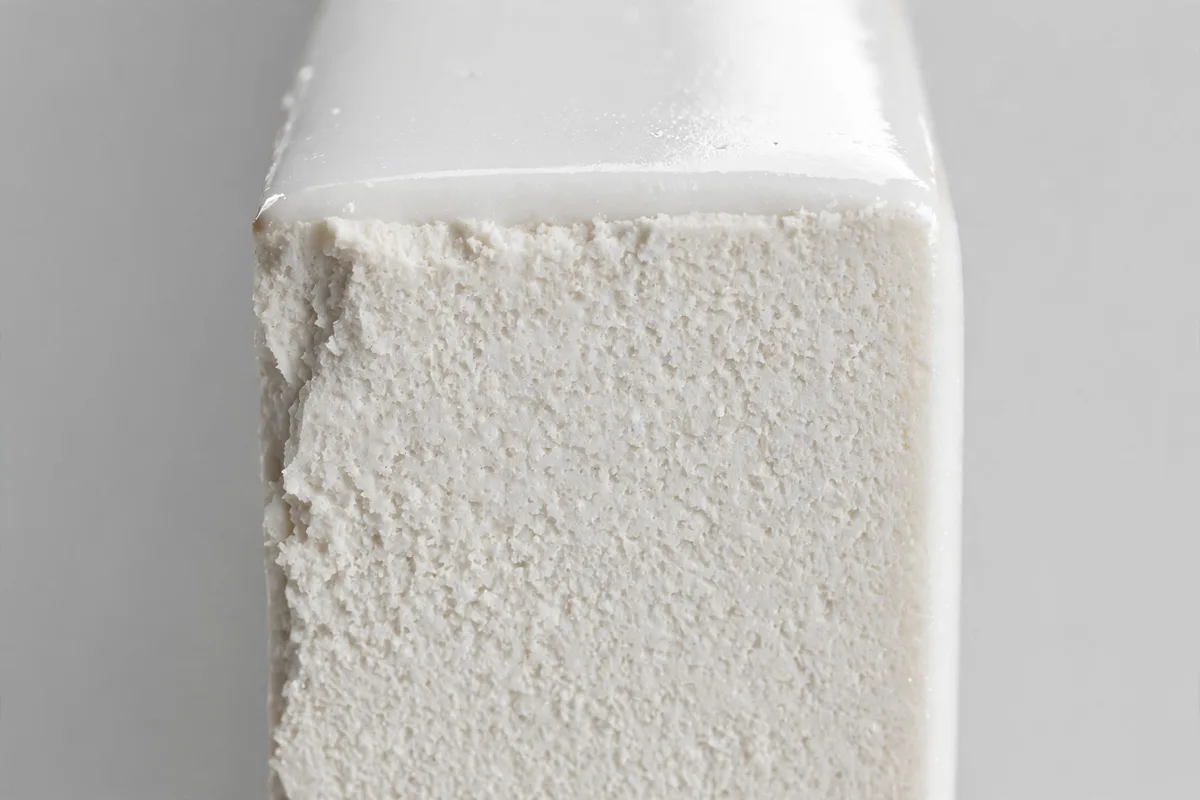
Porcelain comes in two constructions, and the difference matters most the day something heavy hits the floor. Through-body porcelain carries its color and pattern all the way through the tile, so a chip reveals more of the same. Glazed porcelain has a printed design layer over a plainer body, which means a deep chip can show a contrasting spot.
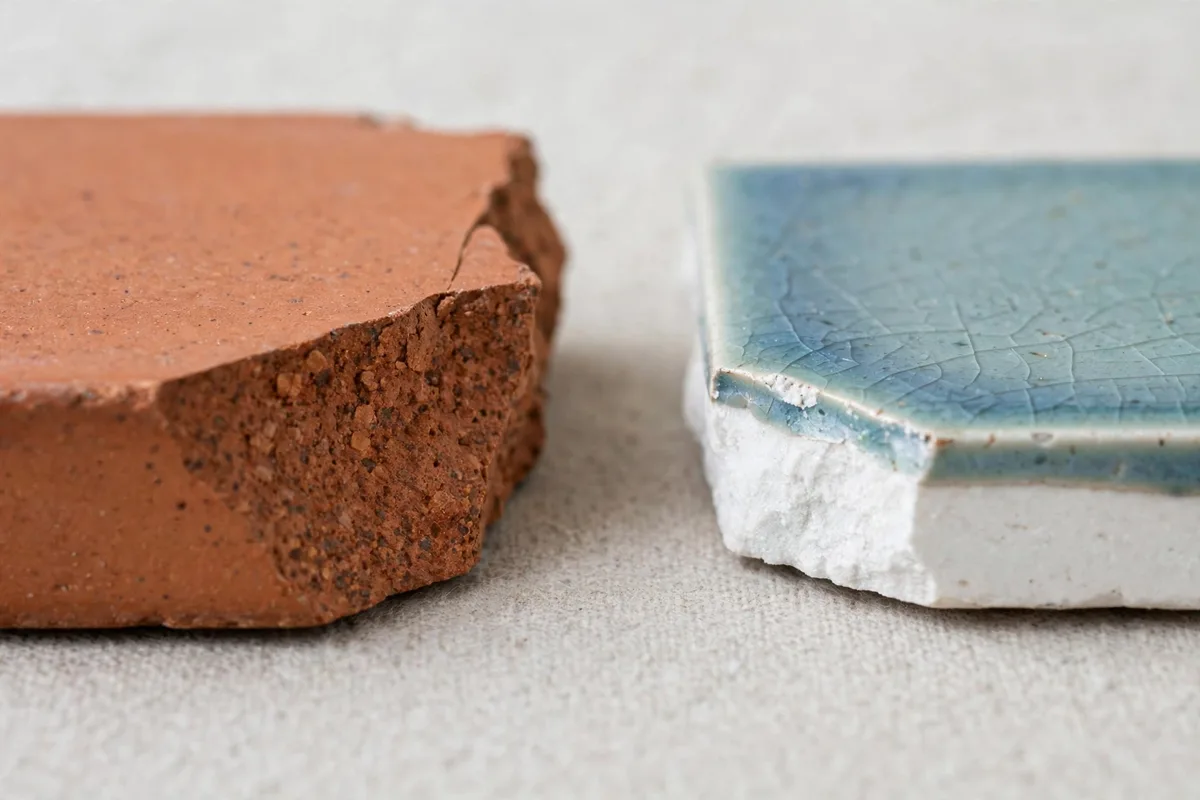
Through-body tile usually costs more per square foot because the manufacturing is less forgiving, and it suits entryways, mudrooms, rental units, and homes with large dogs, where impacts are a matter of time. Glazed porcelain offers a far wider design range, including convincing wood planks and marble looks, at a friendlier material price. Installation labor is nearly identical for both, since the cutting and setting behave the same.
Our advice is practical: choose through-body where toughness matters and glazed where the look matters. Either way, keep a spare box from the same dye lot. Dye lots shift between production runs, and a matching box five years from now is worth more than the storage space it takes today.
Large-Format Porcelain Panels: Where the Premium Peaks
Formats of 12×24 and larger, up to 24×48 panels, sit at the top of the porcelain price range for reasons you can feel on site. A 24×48 porcelain panel is heavy, awkward, and unforgiving: it usually needs two installers to carry and set, suction handling, and a substrate flatter than standard tile tolerates. Industry guidance calls for tighter flatness tolerances as tile size grows, and achieving them means more self-leveler, more grinding, or both.
Leveling systems become mandatory rather than optional at these sizes, and every panel gets dry-fit before a drop of thinset is mixed, because there is no nudging a 24×48 into place after the fact. Waste factors climb too: one bad cut on a large panel costs more than a bad cut on a 12×12.
Large format still earns its popularity. Fewer grout lines mean a calmer floor and less grout to maintain, which our grout care guide will thank you for. Just budget honestly: large-format porcelain is the most expensive porcelain to install per square foot, and any quote that prices it like standard 12×24 has missed something.
Porcelain vs Ceramic: Total Cost of Ownership
The sticker comparison favors ceramic, but the decade comparison often favors porcelain. Start with maintenance: porcelain absorbs almost no water, so the tile itself never needs sealing. Ceramic is similarly low maintenance when glazed, but the real comparison most homeowners face is porcelain versus the floors porcelain replaces, like laminate or sheet vinyl, which wear out and get replaced two or three times over porcelain’s life.
Against natural stone the math is clearer. Stone needs regular sealing and stain management, while porcelain asks for nothing beyond routine cleaning. It is no surprise that porcelain ranks among the top bathroom flooring choices for moisture resistance and easy care. Keeping shower tile clean is a grout task, not a tile task, and porcelain’s grout lines are the only part that ever needs attention. Over twenty years, the sealing products and service calls that stone demands add up to real money that porcelain simply never bills you for.
There is also the replacement question. A properly installed porcelain floor routinely outlives the kitchen or bathroom around it. When the vanity gets swapped or the kitchen gets refaced, the porcelain stays. Cheaper flooring rarely survives one full renovation cycle, which means you pay for it twice. Viewed that way, porcelain’s higher installation cost is a single payment for a floor you may never buy again.
Porcelain Tile Installation Cost Across Canada
Across Canada, installed porcelain typically lands in the middle to upper portion of national per-square-foot bands as of late 2026, with standard formats near the middle and large-format or rectified work at the top. Toronto-area figures run higher than the national middle, while straightforward floors in smaller markets sit lower. For the complete band table across every tile type, project size, and cost factor, see our main tile installation cost guide for Canada.
Two notes apply to every band you read online, including ours. First, bands are planning guides, not fixed prices: tile, thinset, membranes, and grout are traded commodities whose prices move through the year, and labor follows local demand. Second, quotes in Ontario are typically stated before HST, and a 10 to 15 percent contingency for hidden subfloor issues is standard practice on our jobs.
What Moves Your Porcelain Project Up or Down
Within the band, five factors decide where your porcelain tile installation cost lands. Room type leads: a shower with waterproofing, niches, and a dozen cuts costs far more per square foot than an open-concept floor of the same tile. Pattern comes next: herringbone and diagonal layouts multiply cutting time and waste. Demolition and disposal of old flooring is its own line item, as is subfloor leveling on older Niagara homes where floors have settled over the decades.
Waterproofing deserves its own mention because it is the line most often missing from a low quote. A shower needs a proper membrane system, and quality systems from makers like Schluter are not cheap, but they are what keeps a shower from failing in year six. Setting materials matter too: porcelain’s dense, nonporous back needs a polymer-modified thinset for a reliable bond, a detail Laticrete’s installation guidance covers well. If a quote seems too good, ask which membrane and which thinset it includes.
Local conditions play a role as well. How tile work is priced across the Niagara Region covers the factors specific to our market, from older-home subfloors to winter scheduling. And if you are weighing a bathroom project specifically, This Old House’s tub surround guide shows the prep work that separates a lasting shower from a leaking one.
Getting Your Exact Number
Bands get you oriented, but only a measured quote tells you what your project costs. Our free quotes spell out tile, setting materials, prep, waterproofing, and labor as separate lines, so you can compare us against any other bidder line by line. Call BGM Construction at +1 365-524-1898 and we will measure the space, check the substrate, and put the real number in writing. Nine five-star Google reviews say we do it right.
Frequently Asked Questions
Is porcelain tile more expensive to install than ceramic?
Yes, on both materials and labor. Porcelain costs more per square foot at the store, and installers charge more because the dense body is harder to cut, dulls blades faster, and needs tighter substrate tolerances. The gap is modest for standard formats and widest for large-format or rectified porcelain. Our Canada tile installation cost guide shows both bands side by side.
Why does porcelain take longer to install?
Every cut moves slower. Porcelain’s density means the saw feeds at a careful pace to avoid chipping, and each piece gets dry-fit checked because rectified edges show lippage that cushioned ceramic hides. Layout, leveling clips, and substrate flattening add real hours. A floor that takes a day in ceramic can take a day and a half in large-format porcelain.
What PEI rating do I need for home floors?
PEI 3 handles light residential traffic like bathrooms and bedrooms. PEI 4 suits kitchens, hallways, and entryways, and PEI 5 is commercial grade. Most quality porcelain floor tile sold today is PEI 4 or 5. Match the rating to the room rather than paying for durability you will never use.
Are rectified porcelain tiles worth the extra cost?
They are if you want the modern minimal-grout-line look. Rectified edges allow very tight joints, but they demand a flatter substrate and leveling systems, which raises labor. On a wavy subfloor the premium is wasted because lippage will show. Ask your installer to check floor flatness first.
Through-body or glazed porcelain: which should I choose?
Through-body porcelain hides chips because the color runs through the tile, so it suits entryways, mudrooms, and homes with pets. Glazed porcelain offers far more designs, including convincing wood and marble looks, at a lower material price. Labor is similar for both.
Does porcelain tile need sealing?
No. Porcelain absorbs almost no water, so the tile itself never needs sealer. The grout lines are the exception: cement grout benefits from sealing on a schedule. This is a genuine long-term saving over natural stone, which needs regular sealing.
Can porcelain tile go over heated floors?
Yes, porcelain and heated floors are an excellent match. Porcelain conducts heat well and stays dimensionally stable through heating cycles. Budget for the heating mat or cables as a separate line item on top of the tile work, plus a membrane suited to the system.