
Slate is the moodiest stone in the tile aisle: charcoal one hour, green-grey the next, rust blooms hiding in a single box like weather in rock form. Homeowners choose it for entrance halls that swallow winter grit, for shower floors that grip like river rock, and for that layered, split-face character no factory product fully fakes. They also inherit slate’s terms. The stone arrives in uneven thicknesses because it was split rather than ground, it can shed flakes as its layers settle, its colour in the crate is not its colour sealed on your floor, and it sends a sealing bill on a regular schedule. This guide weighs slate tile honestly, beauty and grip on one side, flaking and upkeep on the other, with the maintenance priced so the romance survives contact with year three.
The Short Verdict
- Buy it for: entrance and mudroom floors, shower floors, rustic and modern-rustic rooms, anywhere wet grip and character matter together
- Skip it for: minimalist rooms that need a dead-flat uniform floor, households that will not reseal on schedule, anyone who hates colour surprise
- The deciding question: do you want a floor that behaves like a natural material, variation, texture, upkeep and all? Slate never pretends to be anything else.
What Slate Tile Is
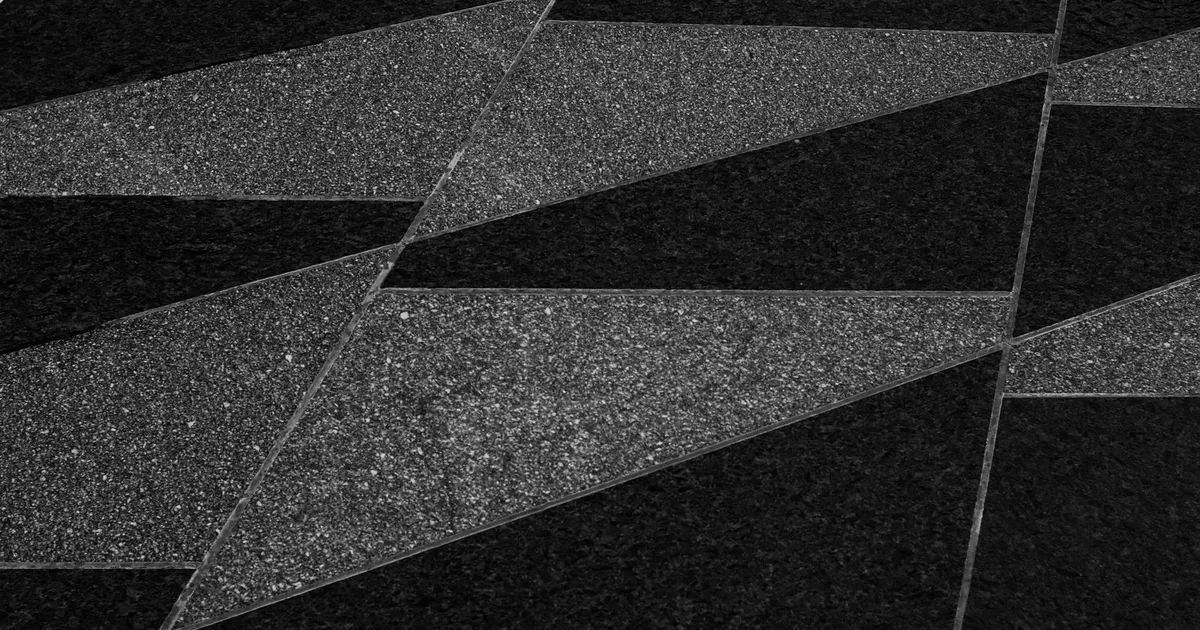
Slate is a metamorphic stone split from ancient compressed clay and shale along natural cleavage planes. That splitting gives slate its cleft surface: a natural, ridged texture that no mould creates, varying in height across a single tile. Tile faces come gauged, ground flatter on the back for setting, or ungauged, fully natural on both faces and harder to lay evenly. Colour depends on the quarry’s minerals: true blacks and charcoals, greens, greys, and multicolour slates carrying rust, gold and plum. Two slates with the same catalogue name from different quarries can land noticeably apart, which is both the charm and the caution in this material.
The Pros
Natural grip, built into the stone
The cleft texture that defines slate is a grip surface geology built for free. Wet slate floors hold footing in entrances, mudrooms and showers where polished materials turn treacherous, and the grip does not wear off because it is the stone’s own structure rather than a coating. In a Niagara January, an entrance floor that forgives slush is not a luxury feature.
Character no print earns
Every tile carries its own strata lines, mineral blooms and tonal drift. A slate floor has movement across its whole field, the quality designers chase and printing approximates at a distance. Rooms with wood beams, stone fireplaces or black steel find slate a natural partner; so do stark modern rooms that need one warm, irregular surface to stop them feeling clinical.
Hardness in the right range
Good flooring slate sits around Mohs 4 to 5 for the quality Indian, Brazilian and Chinese stone that fills Canadian shelves; that is harder than marble or travertine and it shrugs off the grit that scratches softer stone. It also holds up outdoors and around heat: slate is indifferent to frost when the right density is chosen, and it has faced fireplaces for centuries. Its standing among floor tiles is ranked in our guide to the most durable tile flooring.
A floor that hides a busy life
Between the texture, the tonal variation and the matte face, slate conceals tracked dirt, pet hair and the day’s traffic better than any uniform floor we install. Mudrooms and farmhouse entrances choose it for exactly this camouflage, and it flatters them back.
The Cons
Flaking is real, especially early
Slate is layers, and layers can shed. Loose flakes, called spalls, lift from cleft faces most often in the floor’s early life and in wet areas, leaving a small pit and a flake to sweep up. Quality stone and a good seal reduce it; they do not repeal geology. Owners should expect a few flakes across the first year, and soft, cheap slate can keep shedding well past it. Buy dense stone from known quarries and the problem shrinks to a footnote; buy the bargain crate and it becomes the review you write.
Uneven by birth
Thickness varies across a tile and between tiles, so setting slate is slow sorting work: pieces get shuffled, high corners get watched, and lippage tolerances are looser than rectified porcelain allows. Underfoot the floor feels alive rather than machined, which owners either love or count as a defect. Chair legs and wheeled stools will report every ridge honestly.
The colour you buy is not the colour you keep
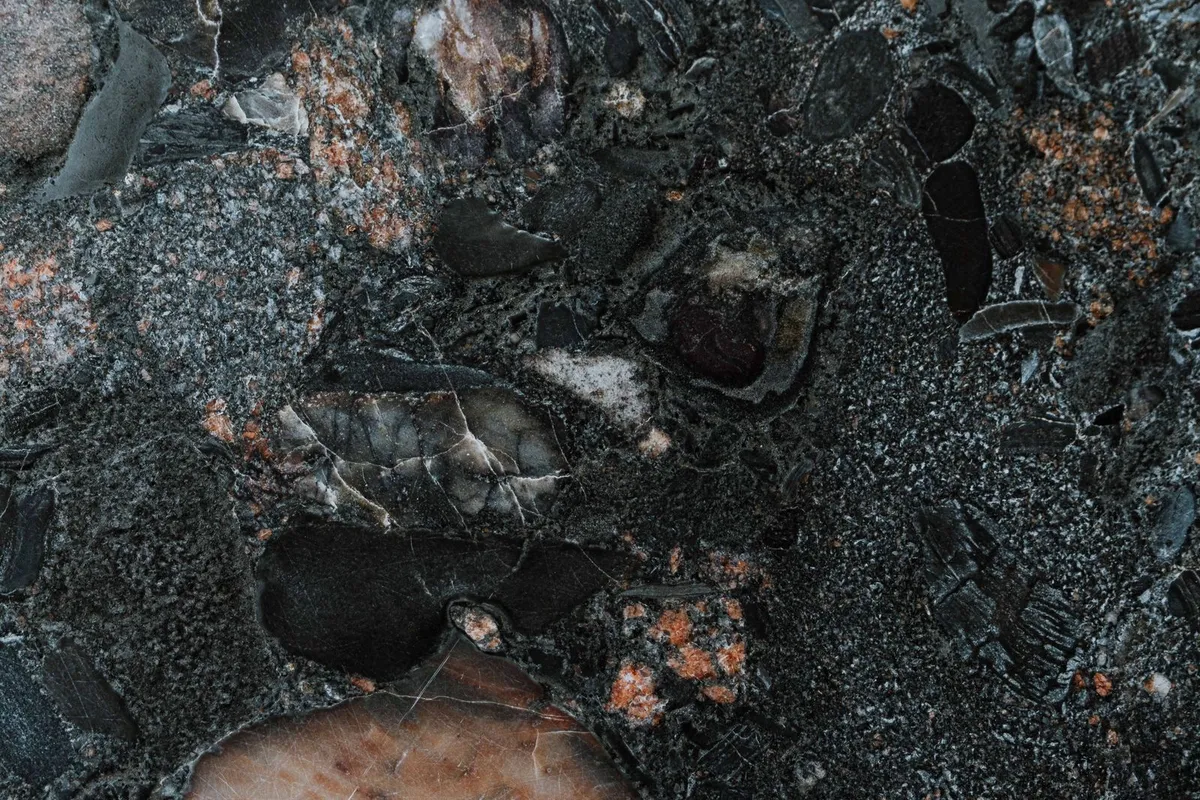
Dry slate in a crate looks dusty and muted. Wet it, seal it, and the colour deepens dramatically, rust blooms wake up and charcoal goes near black. Enhancing sealers push the shift further; natural finish sealers hold closer to the dry look. Neither is wrong, yet the gap between showroom expectation and sealed reality is the most common slate complaint we hear, and it is entirely preventable with a wetted, sealed sample before the order is placed.
Cleaning has rules
The ridged face holds dirt in its valleys, so a flat mop skims and a soft brush earns its keep. Acids are forbidden, as with all calcium-bearing stone; vinegar cleaners and limescale sprays dull and lighten the surface. Hard water leaves pale scale that shows on dark slate, so Niagara entrance floors appreciate a squeegee or a quick towel after the slush melts. None of this is heavy labour. All of it is routine, and routine is the price tag slate attaches.
Grouting slate is a two-stage chore
Cleft faces trap grout in every ridge, so the stone is sealed before grouting as a release layer, then washed carefully, then sealed again after cure. Skip the pre-seal and the floor wears a permanent grout haze in its valleys. This is installer-side pain rather than owner-side, yet it prices into the labour line honestly.
The Sealing Bill, Itemised
Slate’s upkeep is often described in vague warnings, so here it is as a bill. The stone and its grout take a penetrating sealer at installation, typically two coats given the cleft texture drinks the first quickly, and the cycle repeats roughly every one to two years in wet or high-traffic areas, longer on walls and gentle floors.
| Item | Typical figure | Notes |
|---|---|---|
| Penetrating sealer, 100 sq ft floor | $50 to $110 product | Two coats on cleft faces; enhancing type deepens colour |
| DIY time, clean and reseal | Half a day | Deep clean, dry fully, two coats with cure gaps |
| Pro clean and reseal visit | A few hundred dollars | Price varies with area and soil load |
| Cycle | Every 1 to 2 years wet/traffic; 3+ years gentle walls | Water bead test decides: darkening means due |
Spread over the years, slate’s sealing bill resembles the care costs of travertine and marble, its limestone cousins in our travertine vs marble comparison. The difference is that slate owners meet the bill in mudrooms and showers, the hardest-working rooms in the house, so the routine has to fit real life rather than good intentions.
Where Slate Earns Its Place
Entrances and mudrooms: the flagship use, grip plus camouflage plus winter indifference. Shower floors: excellent, small formats of cleft slate give feet purchase in every direction; their standing among shower candidates is set out in our guide to the best tile for a shower floor. Fireplace faces and hearths: heat-proof, dramatic, classic. Kitchen floors: good for rustic and working kitchens, with the sealing cycle accepted. Pool surrounds and patios: strong in paver gauges rated for exterior use, judged for this climate in our guide to the best outdoor tile for a Canadian winter. Formal dining rooms and minimalist baths: the weakest fit, where flatness and uniformity are the design, and slate’s nature argues back.
Watch: Slate Going Down, Part One
See Jane Drill walks a slate floor installation from layout onward, a clear look at the sorting and setting this uneven stone honestly takes.
Stone Tile Work Across the Niagara Region
BGM Construction sets slate across the Niagara Region from its base in Thorold, and slate quotes from us come with a wetted, sealed sample of your actual stone, because nobody should meet their floor’s true colour after it is grouted. BGM Construction, 5 Swart Ln, Thorold, ON L2V 0G5. Open Monday to Saturday: 8:00 AM to 5:00 PM. Call +1 365-524-1898 for a free quote.
The team lays stone floors in homes across the whole Niagara Region: Thorold, Niagara Falls, St. Catharines and Welland, and also Fort Erie, Grimsby, Lincoln, Niagara-on-the-Lake, Pelham, Port Colborne, Wainfleet and West Lincoln.
Get a Price for Your Slate Floor
Send the room measurements and the slate colour family you are drawn to, and the quote will separate stone, setting and the first sealing so year one is fully priced. Call BGM Construction at +1 365-524-1898 or use the contact page.
Frequently Asked Questions
Does slate tile flake?
Some, yes, and honesty beats surprise here. Slate is a layered stone and loose surface flakes can lift, mostly in the first year and mostly in wet areas. Dense stone from reputable quarries flakes little, soft bargain slate can flake persistently, and a sound penetrating sealer helps bind the face. Expect a few early flakes as the floor settles; treat ongoing heavy shedding as a material quality problem rather than normal behaviour.
How often does slate need sealing?
Roughly every one to two years in showers, entrances and kitchens, and every three years or more on gentle floors and walls. The test is water: drops should rest on the surface instead of soaking in and darkening the stone within a minute or two. Floors cleaned with forbidden acidic products lose sealer faster, which quietly shortens the cycle.
Is slate slippery when wet?
Cleft slate is one of the grippiest natural floors you can stand on wet, because the split texture gives water channels and edges in every direction. The caution belongs to honed or polished slate finishes, which sand the grip away for a smoother look. For entrances, showers and pool duty, buy the cleft face and the question answers itself.
Can slate tile be used in a shower?
Yes, floors especially, where its grip shines and small formats follow the drain slope gracefully. The terms are sealing kept current, ventilation doing its job, and neutral cleaners only. The cleft valleys hold soap residue more than a smooth floor, so a weekly brush belongs in the routine. Owners who accept those terms rate slate showers highly; owners who want a spray-and-forget shower should choose porcelain.
Why does slate change colour when it is sealed?
Sealer fills the stone’s microscopic surface texture, and a filled, saturated surface reflects light the way wet stone does, which deepens every colour in it. Enhancing sealers are formulated to push that wet look deliberately; natural finish sealers mute it. The stone has not changed; its lighting has. A sealed sample of your actual slate, approved before installation, removes the surprise entirely.
Slate or porcelain that looks like slate?
Porcelain slate-look wins on flatness, price, zero sealing and predictable colour, and its best versions fool the eye at standing distance. Real slate wins on texture the hand can verify, colour depth, and the way it ages into a room rather than wearing a picture of age. Choose porcelain for a uniform modern floor or a low-care household; choose slate when the material itself is the feature and the upkeep sounds like care rather than chores.









One Response