
If you are planning a bathroom or kitchen renovation in Thorold, the plumbing and electrical work is often the part that decides whether the rest of the job runs smoothly. Moving a shower, adding pot lights, or shifting a vanity by a few feet sounds simple on a floor plan, but behind the wall it means pipes, drains, wiring, circuits, and inspections that all have to line up before tile or cabinetry goes in. Get that sequence wrong and a finished wall gets opened again, or a fixture ends up where the drain cannot reach it.
BGM Construction LTD is based in Thorold, at 5 Swart Ln, and we plan renovations around that hidden work from the start. We do not hold plumbing or electrical licences ourselves, and we will not pretend otherwise. The licensed parts of your renovation are carried out by licensed partner trades, and BGM coordinates them into one renovation, one contract, and one schedule. You deal with BGM and receive one written quote covering the whole job.
That matters most when a renovation changes a layout instead of just refreshing a surface. If the shower is moving, the toilet is shifting, or a kitchen is gaining a new island, the rough-in work has to be settled before finishes are ordered. This page explains what plumbing and electrical work inside a Thorold renovation usually involves, how the partner model works, what older Thorold homes often reveal once walls are open, and what to budget for before anyone starts. For the wider picture, see our renovation services in Thorold and our electrical and plumbing services.

Plumbing Inside a Thorold Renovation
In a renovation, plumbing is rarely about a single fixture. It is about where water comes in, where waste goes out, and how far either one can move without creating a problem later. A rough-in move sounds small until you look at the drain slope, the venting, and the joists in the way. That is why the layout is drawn and measured before demolition finishes, not after the new tile has been chosen.
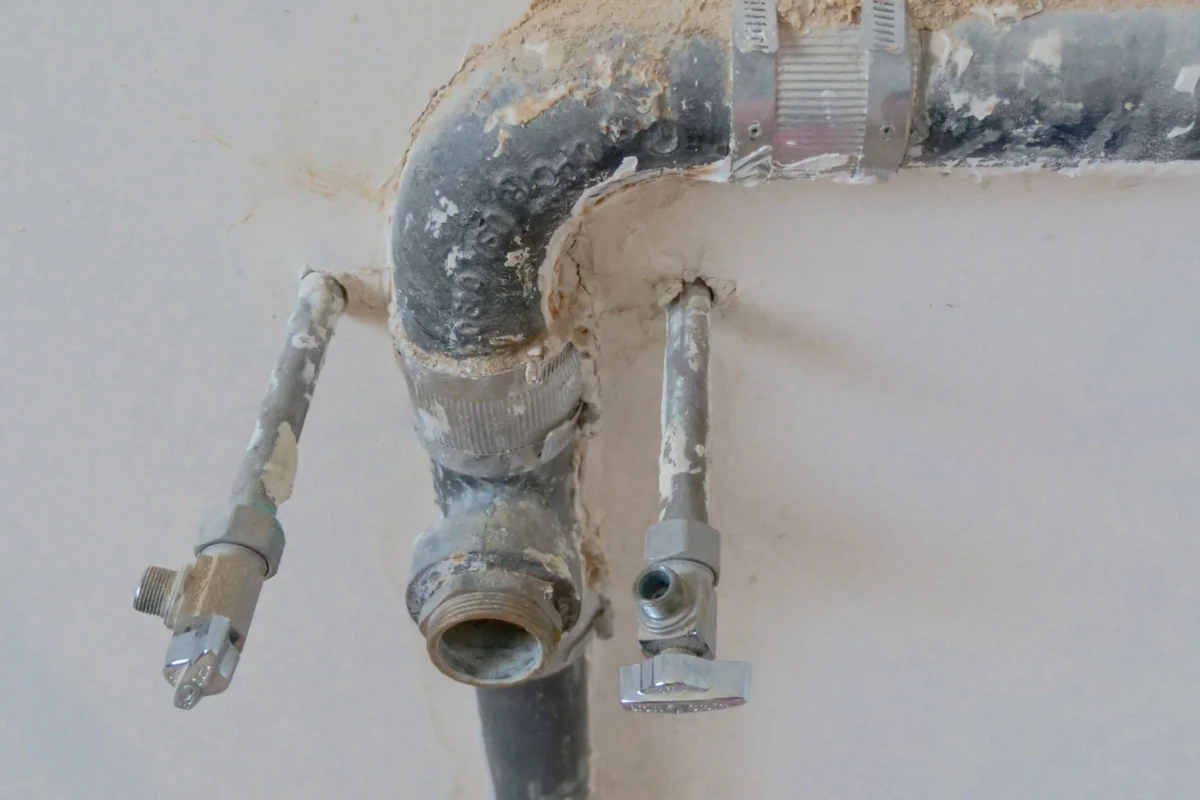
The plumbing scope in a typical Thorold renovation covers rough-in moves for a shower, toilet, vanity, or kitchen sink, shower and tub conversions, fixture replacement, and new shutoffs where the old ones are missing, seized, or buried behind a wall. A tub to shower conversion is a good example. The drain position changes, the shower valve and head need new supply lines, and the waterproofing and tile have to be built around the finished drain, not fitted to it later. If you are weighing a walk-in shower, our guide to curbless shower pros and cons sets out the drainage and access trade-offs. The same logic applies in a kitchen, where moving a sink to an island means a new supply and drain run, and a dishwasher or fridge line needs its own shutoff that you can actually reach. A kitchen refresh that adds a new kitchen backsplash in Thorold often pairs with new under cabinet lighting and a moved outlet, so the electrical and tile work are planned together.
Fixture replacement is simpler, but it still deserves care. A new toilet, vanity faucet, or shower trim should match the existing supply and drain, or the rough-in should be adjusted while the room is open. Shutoffs matter more than most homeowners expect. In older homes we often find a bathroom with no working shutoff at all, which means any future repair shuts off water to the whole house. Adding accessible shutoffs during a renovation is a small cost that pays for itself the first time a washer needs changing. If your project is mainly a bathroom, our bathroom renovation in Thorold page covers the full rebuild, from strip-out to finishing.
Electrical Inside a Thorold Renovation
Electrical work in a renovation is about light, safety, and capacity, in that order. A room can look finished and still be short of outlets, short of light, or running too much off one circuit. We plan the electrical layout with the room layout, so pot lights land where you actually stand, switches sit where your hand reaches them, and outlets are where appliances and chargers will live, not where the old wall happened to put them.
The usual electrical scope covers pot lights in kitchens, bathrooms, and living areas, dedicated circuits for items that should not share power, such as a heated floor, a microwave, or a large appliance, GFCI protection in wet zones like bathrooms and kitchens, and general lighting that layers pot lights with vanity or task lighting. In a bathroom, GFCI protection near water is not an optional extra. It is a safety requirement, and it has to be planned with the licensed partner trade before tile closes the wall, because moving a device later means cutting into a finished surface. The tile side of the job is planned the same way, so our shower tile installation in Thorold and tile installation in Thorold work are lit the way they were meant to be seen.
How the Licensed Partner Model Works
Here is the honest version, plainly stated. BGM does not hold plumbing or electrical licences. We are a renovation contractor, and the licensed plumbing and electrical work in your project is carried out by licensed partner trades who do that work every day. BGM coordinates them, sequences their visits, and holds the single contract with you. You are not left to find a plumber, find an electrician, and then try to line up two separate schedules with a tile crew in the middle.
Permits and inspections are handled by the licensed partners for the work that needs them. If a rough-in move or a panel change needs a permit, the licensed partner trade arranges it, carries out the work to code, and is there for the inspection. BGM keeps the rest of the renovation moving around that inspection date, so tile and finishing are not booked for a day when the wall still needs to be open. Work is not covered up before it has been signed off.
The sequence we follow is simple, and it exists so nothing is opened twice. Demolition first, then rough-in, then inspection, then tile, then finishing. Rough-in means the pipes, drains, wiring, and boxes are in place and tested before any board or tile covers them. Only after inspection do we close walls, set tile, and fit fixtures and trims. If a problem shows up at rough-in, it is fixed while the wall is still open, when fixing it costs time, not a finished surface.
Older Thorold Homes and What Their Systems Mean for a Renovation
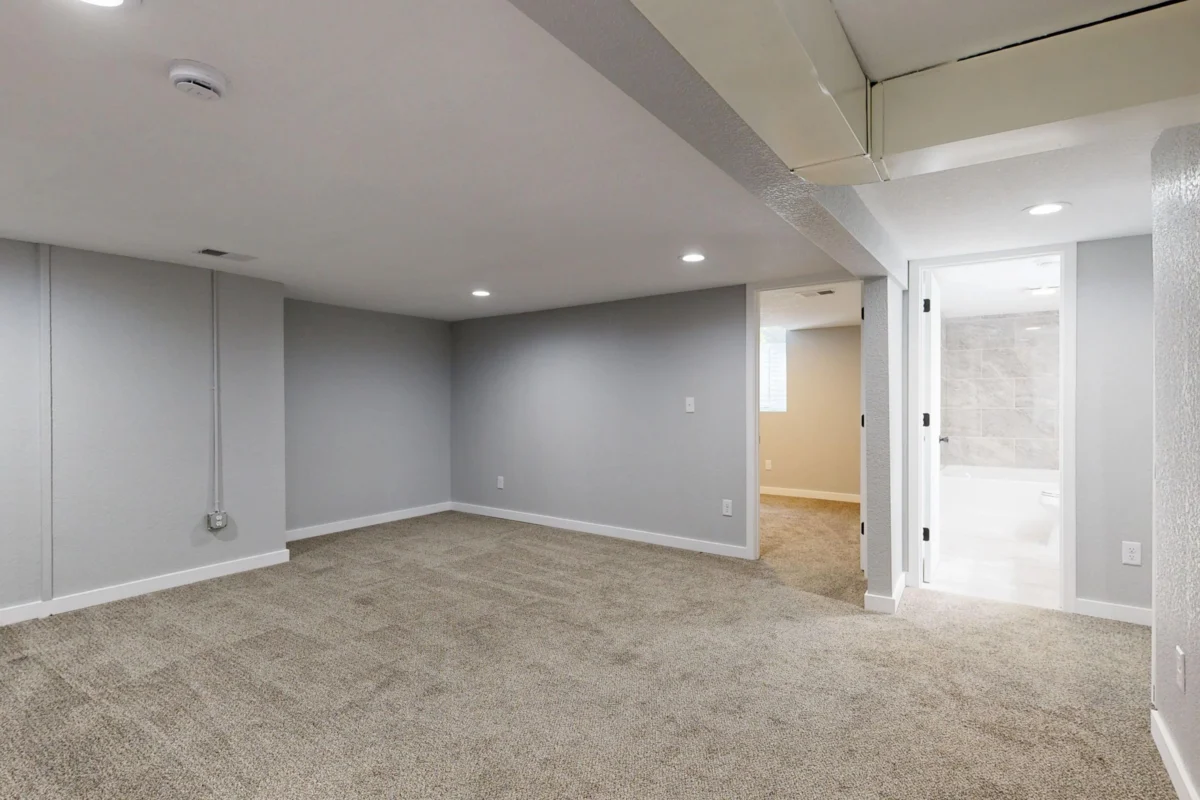
Much of Thorold’s older housing stock was built before 1981, and that age shows up in the systems behind the walls. In the downtown and historic core and in Thorold South, postwar bungalows, semis, and raised ranches are common, and renovation projects in those homes often find galvanized supply pipe, older wiring, and fuse panels that were never designed for today’s kitchens and bathrooms. None of that is a reason to panic, but all of it is a reason to look before finishes are chosen.
Galvanized pipe narrows with age as mineral buildup forms inside it, so a shower that once ran well can slow to a trickle, and a new fixture will not fix a restricted supply line. Older wiring may lack the capacity or the protection a modern bathroom needs, and a fuse panel can limit what a renovation can safely add. The licensed partner trades assess these systems during the site visit, and the quote separates what must be updated for safety and code from what is simply nice to have. That way you are not surprised mid-project by a panel or pipe issue that should have been priced in from the start.
Newer subdivisions tell a different story. In Rolling Meadows, Confederation Heights, and Beaverdams, the systems are usually in good shape, and the work is more about fixture and layout upgrades: a better shower, a double vanity, pot lights that replace a single centre fixture, or a kitchen layout that finally works. Student rentals near Brock University need durable fixtures and accessible shutoffs that stand up to heavy use. Wherever you are in the city, from Allanburg and Port Robinson to the streets near Lock 7 and the Welland Canal, the same rule applies: the hidden systems are checked first, and the visible finishes are chosen second.
What Renovation Plumbing and Electrical Costs in Thorold
No honest page can give you a fixed price for this kind of work without seeing the home, because the distance a drain has to move and the state of the existing panel change the job completely. What we can give you is a planning range for the plumbing and electrical portion inside a renovation, so you know whether your budget is in the right area before you book a visit. The final number comes from a written, itemized quote after a site visit.
Three things move a quote most. First, how far fixtures move from their existing drains and supplies. Second, whether older pipe, wiring, or a panel needs updating to support the new layout. Third, the fixtures and finishes you choose, which can range from straightforward to high end without changing the rough-in at all. Our guide to shower tile installation cost in Canada shows how tile and shower costs sit alongside this work, and our guide to how much tile repair costs in Canada is useful when you are deciding between a repair and a full rebuild.
| Scope | Planning range | What it usually covers |
|---|---|---|
| Fixture replacement in the same position | $1,500 to $4,000 | New toilet, vanity, or shower trim with accessible shutoffs, no drain moves |
| Rough-in move for one fixture | $2,500 to $6,000 | New supply, drain, and venting for a moved shower, toilet, or sink, plus inspection |
These are planning ranges for the plumbing and electrical portion only, not the full renovation price, and they do not include HST. Your written quote after a site visit replaces them.
Neighbourhoods We Serve in Thorold and Across the Niagara Region
BGM is based in Thorold, so most of our renovation work starts close to home. We work across Downtown and the historic core, Thorold South, Allanburg, Port Robinson, Beaverdams, Confederation Heights, and Rolling Meadows, and we travel for site visits across the city without the long lead times a company based elsewhere needs. Because we are local, a site visit in Thorold is usually a matter of days, not weeks.
Coverage does not stop at the city line. We serve the whole Niagara Region, all 12 municipalities: Thorold, Niagara Falls, St. Catharines, Welland, Fort Erie, Grimsby, Lincoln, Niagara-on-the-Lake, Pelham, Port Colborne, Wainfleet, and West Lincoln. If you live just outside Thorold, the same coordinated model applies, with the licensed partner trades arranged for your area. See also our pages for St. Catharines, Niagara Falls, and Welland.
Why One Coordinated Contract Beats Hiring Trades Separately
Hiring a plumber and an electrician separately is not wrong, but it puts you in the middle of a project that needs a single schedule. If the electrician is booked for the week the tile crew arrives, or the plumber’s rough-in is inspected after the walls are closed, the delay lands on you, and so does the argument about whose work caused it. With separate contracts, each trade is responsible only for its own piece, and nobody owns the gaps between them.
One contract with BGM changes that. The licensed partner trades are booked in the right order, the inspection is built into the schedule, and the tile and finishing crews work to the same plan. If a rough-in question comes up, it is answered between BGM and the licensed partner trade, not passed to you as a decision you did not sign up to make. The quote is itemized, so you can still see what each part costs, but you only sign once.
Start Your Thorold Renovation With a Written Quote
If you are planning a renovation in Thorold and the plumbing and electrical work is part of it, start with a site visit, not a guess. Tell us which fixtures are moving, what is not working in the current layout, and what you want the finished room to do. We will measure, check the existing systems, and leave you a written, itemized quote that covers the licensed partner work and the finishing work in one contract. Call +1 365-524-1898, send a message through the quote form on this page, or chat on WhatsApp, and we will book your visit.
Frequently Asked Questions
Who actually does the licensed plumbing and electrical work in my renovation?
Licensed partner trades do it. BGM does not hold plumbing or electrical licences, so the licensed work in your renovation is carried out by licensed partners who specialize in those trades. BGM coordinates their visits and holds the single contract with you.
How do permits and inspections work?
Where a permit is needed, the licensed partner trade arranges it for the work they are doing, carries out that work to code, and attends the inspection. BGM builds the inspection into the schedule, and walls are not closed until the rough-in has been signed off.
Can you move a shower, toilet, or kitchen sink to a new position?
Yes, as part of a renovation. Moving a fixture means new supply lines, a new drain run with the right slope, and proper venting, followed by inspection before the walls close. The cost depends mainly on how far the fixture moves and what is in the way.
Do I need to update old galvanized pipe or a fuse panel to renovate?
Not always, but it is assessed first. The licensed partner trades check the pipe, wiring, and panel during the site visit, and the quote separates work needed for safety and code from work that is simply an upgrade.
How long does the plumbing and electrical stage take inside a renovation?
The rough-in itself usually takes a few days, depending on how many fixtures move, and inspection timing depends on the municipality’s schedule. A typical full bathroom renovation takes 2 to 4 weeks once work starts.
Will my renovation cost more because you use licensed partner trades?
No, the model is built to avoid the expensive kind of surprise, which is rework. The quote is itemized, so you can see the licensed work priced line by line, and the sequence is planned so finished surfaces are not opened twice.