
Interlocking in Thorold costs $20 to $32 per square foot for a driveway, $15 to $25 for a walkway and $18 to $28 for a patio. A standard 20 by 20 foot driveway (400 square feet) runs about $8,000 to $12,800, and a properly built surface lasts 25 years or more. A walkway takes 2 to 4 days to build, a driveway 5 to 10 days.
A driveway in Thorold takes a beating that a driveway in a milder climate never sees. Winter brings freeze and thaw, road salt, snowplows and meltwater, and by spring the cracks in an old concrete driveway are wider than they were in the fall. Interlocking pavers handle that cycle better than a poured slab, because each paver moves a fraction on its own and the joints give the surface somewhere to flex instead of cracking straight across. When a section does settle, it can be lifted and reset without tearing out the whole driveway.
BGM Construction is based right here in Thorold, at 5 Swart Ln, and interlocking is work we do all year round for homeowners across the city. We build driveways, walkways, patios, porch overlays and steps in interlocking pavers, and we repair and relay the sections that have sunk or shifted. Every project starts with a visit and a measure, and ends with a written itemized quote before any work starts. Call +1 365-524-1898 for a free quote, or read on to see how we build, what it costs and which paver suits a Thorold winter.
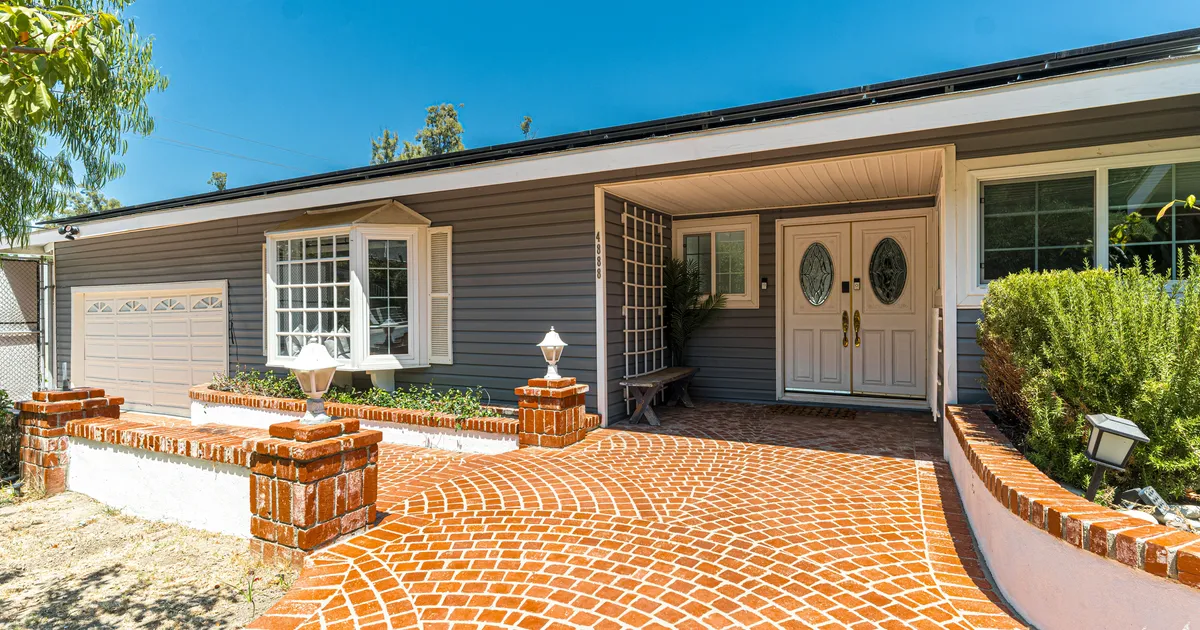
Interlocking Services in Thorold
Most of our interlocking work in Thorold falls into five jobs. Driveways are the biggest, and they are where the base matters most, because a driveway carries cars every day. Walkways take visitors from the street or the driveway to the front door, and they are often where a homeowner starts, replacing a cracked concrete path with pavers that match a new driveway. Patios turn an unused corner of the backyard into a place for a table, a grill and a fire bowl. Porch overlays dress up a plain concrete porch without demolishing it, and new paver steps fix the uneven risers and crumbling edges that make an entrance feel unsafe.
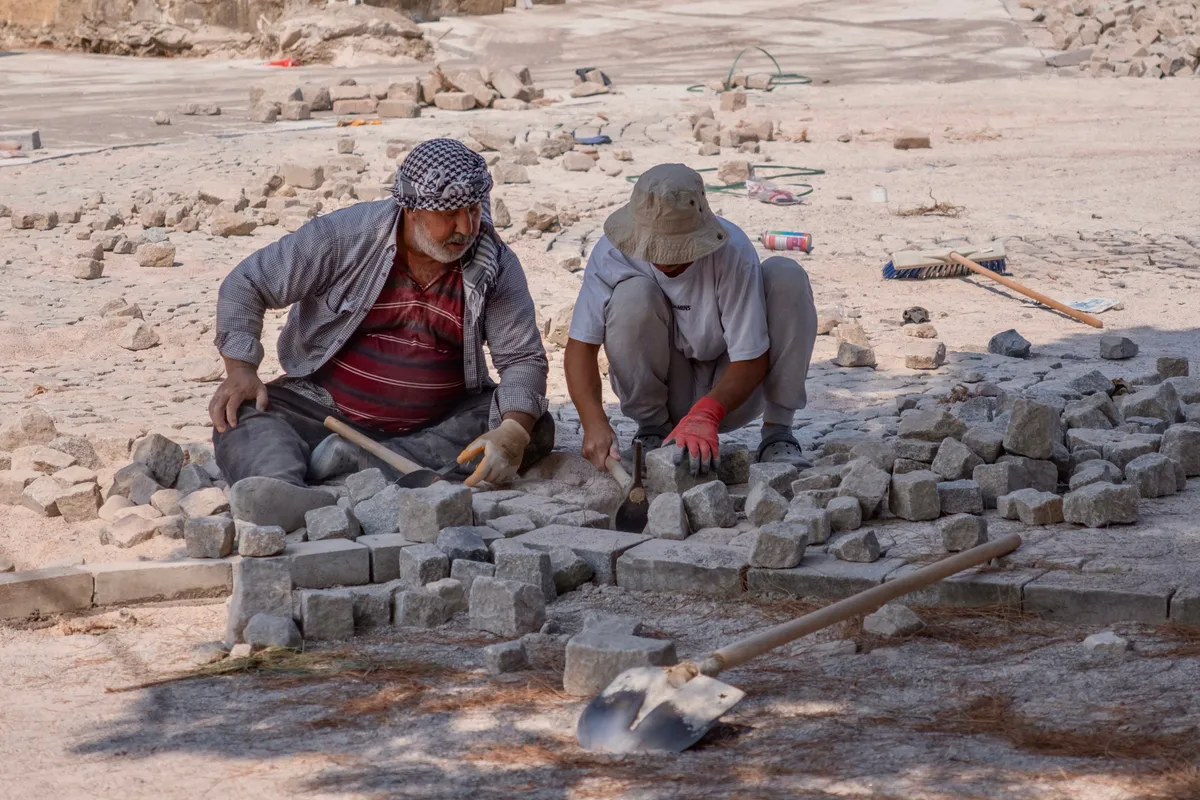
We also do the work that keeps older interlocking looking right. A driveway laid ten years ago by another crew may have a dip where a car wheel always sits, or a walkway may have heaved near a tree root. We lift the affected pavers, fix the base underneath, and relay the same pavers where they are still sound, so the repair blends in instead of standing out as a patch. If the pavers themselves are broken or badly stained, we match the size and colour as closely as the market allows and say plainly when an exact match is no longer made.
For the full range of our paver and tile work across the region, see our main interlocking page. Homeowners who are refreshing the outside of the house often ask about the inside as well. Our crew also handles tile installation in Thorold, so a new front walk and a new tile floor can be booked on one visit.
The Base Work That Decides Whether Pavers Last
Ask any paver crew what separates a driveway that still looks flat after ten winters from one that dips in year two, and the answer is always the same: what is underneath. The pavers are the part you see, but the base is the part that does the work. In Thorold we excavate to a depth that suits the job, usually 10 to 12 inches for a driveway and 7 to 9 inches for a walkway or patio, measured from the finished surface down. We go deeper where the ground is soft or where an old concrete slab has to come out, because a shallow base on soft ground is a promise of ruts.
The excavation is filled in layers of granular material, usually Granular A gravel, and each layer is compacted with a plate compactor before the next one goes down. Compaction is not a single pass at the end; it is the step we repeat, because loose gravel settles under load and tight gravel does not. On top of the compacted base goes a thin bedding layer of coarse sand or fine stone dust, screeded flat, and the pavers are set into it in the chosen pattern.
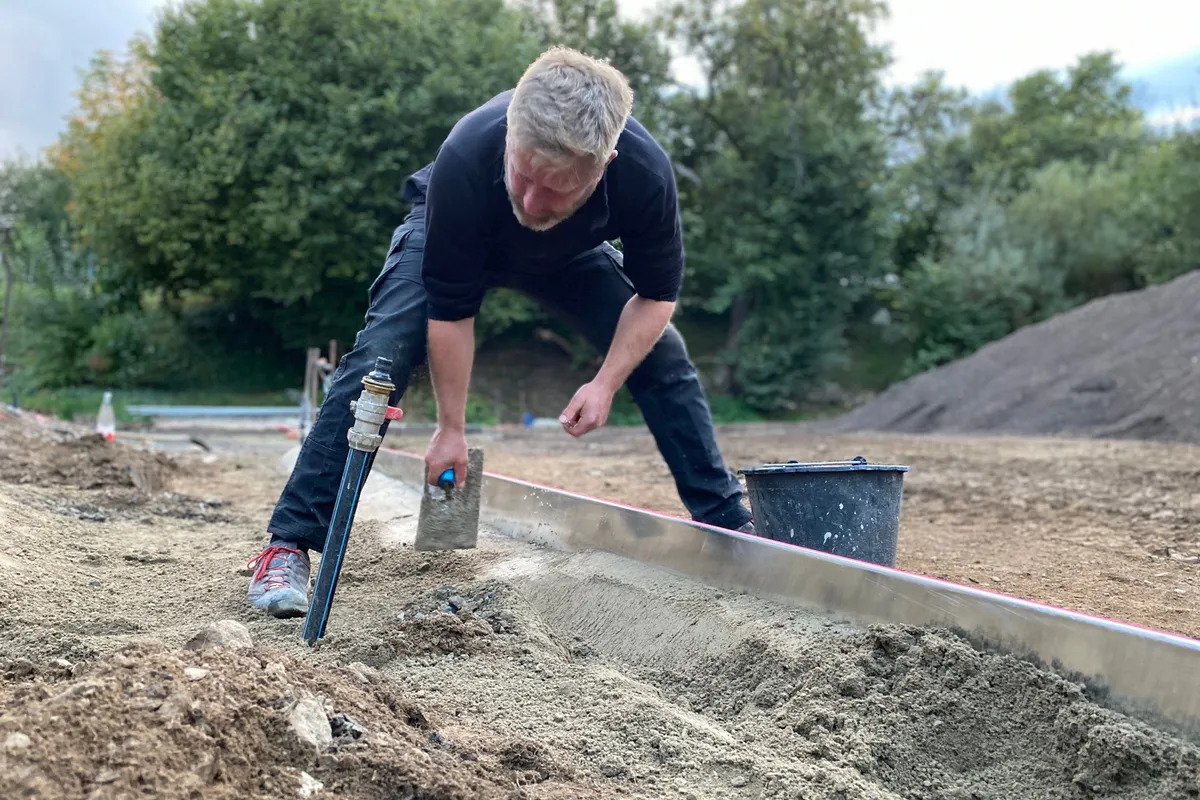
Two details finish the job. Edge restraints, usually plastic or aluminum strips spiked into the base, hold the outside rows in place so the field cannot creep outward under car traffic. Then polymeric sand is swept into the joints and misted with water, which sets it into a firm, weed resistant joint that still lets a little water through. The finished surface is graded to slope away from the house, usually about 2 percent, so rain and meltwater run off to the lawn or the street instead of pooling against the foundation. Skip any one of these steps and the surface will tell on you within a couple of winters.
For a Thorold driveway that has to survive freeze and thaw, the base starts with about 12 inches of excavation. That hole is filled with granular material, usually Granular A gravel, compacted in lifts to about 8 inches of compacted base, then a 1 inch bedding layer of coarse sand is screeded on top and the pavers are set into it. Edge restraints go on every open edge so the pavers cannot creep outward under car tires. A walkway carries no cars, so it needs less, about 6 to 7 inches in total. When you compare quotes, the excavation depth, the compacted base thickness and the bedding depth should be written in the quote. A quote that skips those figures is usually a thin base, and a thin base is how a new driveway dips in the wheel tracks after two winters.
Paver Choices for Thorold Winters
Not every paver is a good fit for an Ontario winter, and the cheapest option in the yard is rarely the cheapest over twenty years. Concrete pavers are the workhorse choice in Thorold: they are made to take freeze and thaw, they come in a wide range of shapes and colours, and a damaged unit can be swapped without touching the rest of the driveway. Thicker is better where cars park; we use 60 mm pavers for walkways and patios and 80 mm for driveways, because the extra depth resists cracking under vehicle weight.
Clay brick pavers cost more and offer a classic look that suits the older homes in the historic core, and they hold their colour because the colour runs through the brick rather than sitting on the surface. Natural stone, such as granite or limestone, looks superb on a front walk or patio but needs a careful eye on slip resistance and salt tolerance, and it is priced at the top of the range. Porcelain pavers have become popular for patios because they resist stains and come in large formats that mimic stone or wood, but they need the right thickness and a properly prepared base outdoors, especially where winter is a factor. If you are weighing porcelain against concrete for a patio, our comparison of outdoor porcelain pavers vs concrete walks through the tradeoffs.
Porcelain can work outside in winter, and our guide to whether porcelain tile can be used outside in winter explains what to check before you commit. For a broader look at surfaces that stand up to a Canadian winter, see our guide to the best outdoor tile for Canadian winter. Whatever the material, two rules hold in Thorold. First, the paver has to be rated for freeze and thaw and for deicing salt, not just for looks. Second, the joints matter as much as the paver: tight joints filled with polymeric sand keep water and weeds out and keep the surface locked together when the ground moves.
What Interlocking Costs in Thorold
No honest contractor prices interlocking sight unseen, because the ground underneath and the access to it change the job more than the paver does. The table below gives planning ranges per square foot for Thorold projects, based on typical access, a standard excavation and a mid range paver. Your written quote after measuring is the number that counts, and it will be itemized so you can see what the excavation, the base, the pavers, the edging and the sand each cost.
| Project | Planning range per square foot |
|---|---|
| Walkway | $15 to $25 |
| Patio | $18 to $28 |
| Driveway | $20 to $32 |
| Repair and relaying | Priced by the area, usually below new installation |
What moves a project within or beyond those ranges is easy to list. Removing an old concrete driveway adds demolition and disposal. A long carry from the street to the backyard adds labour. Steps, curves, borders and inlays add cutting time. A paver at the top of the range adds material cost but not base cost. And a site that holds water may need extra drainage work before the pavers go down. We flag all of it in the quote, so the price you agree to is the price you pay for the agreed scope.
How Much Does a 20 by 20 Interlocking Driveway Cost?
A 20 by 20 foot driveway covers 400 square feet. At $20 to $32 per square foot, it costs about $8,000 to $12,800 before extras such as removing an old concrete slab, a border course, stairs or a wider apron at the road. A two car driveway of about 20 by 30 feet covers 600 square feet and costs about $12,000 to $19,200 at the same rates.
A job lands toward the $32 end when the excavation is deep or the soil is poor, when an old concrete or asphalt surface has to be removed and hauled away, when the design uses a decorative pattern or a contrasting border course, when steps or a retaining edge are part of the work, or when access is tight and machines cannot get in, so the work is done by hand. A straight rectangular driveway on open ground with easy truck access lands toward the $20 end.
Compare quotes line by line, not by the bottom number alone: excavation depth, base thickness, paver thickness and border work should all be listed, and ask for the finished driveway area in square feet. A lump-sum-only quote hides whether the base, the paver thickness or the border was cut.
Is Interlocking Cheaper Than Concrete?
A plain poured concrete driveway usually costs less per square foot up front than interlocking pavers. Interlocking wins on repair: a cracked concrete slab has to be cut out and repoured and never quite matches, while a settled or stained section of interlocking can be lifted, regraded and reset, often for the cost of that area alone. It also wins on freeze and thaw movement, because pavers flex instead of cracking straight across, and on appearance, with far more colours and patterns than a plain slab.
Interlocking has honest downsides too. It costs more up front, weeds and moss can grow in the joints if the polymeric sand is not topped up every 3 to 5 years, and a surface is only as good as its base, so a driveway laid on a skimped base will settle in the wheel tracks. If you will not keep up with the joints or the budget does not stretch to the full base specification, a well built concrete driveway may be the better choice.
Neighbourhoods We Serve in Thorold
We work across Thorold, and the work changes a little from one area to the next. In Downtown Thorold and the historic core, the jobs are often clay brick walks and porch overlays that suit older homes, plus driveway replacements where the original concrete has reached the end of its life. Thorold South has the postwar bungalows, and there the common call is a cracked concrete driveway replaced with interlocking, or a sunken section relayed before it gets worse. In Confederation Heights and Rolling Meadows, the newer subdivisions, we see builder grade concrete drives that are already spalling, and homeowners who want a paver driveway that lifts the front of a newer house.
Allanburg, Port Robinson and Beaverdams bring larger lots and longer driveways, and sometimes a walkway that has to cross a wide front yard to reach the door. Out there, drainage and a proper base matter even more, because a long driveway collects a lot of meltwater in spring. Near Brock University, landlords ask us for durable, low upkeep surfaces for student rental properties, where a paver driveway that can be repaired in sections beats a slab that has to be replaced whole when it cracks.

BGM is based in Thorold, but our crews work across the whole Niagara Region, all 12 municipalities: Thorold, Niagara Falls, St. Catharines, Welland, Fort Erie, Grimsby, Lincoln, Niagara-on-the-Lake, Pelham, Port Colborne, Wainfleet and West Lincoln. If you live outside Thorold, our city pages for Niagara Falls, St. Catharines and Welland describe the same service in those cities.
Caring for Interlocking Pavers in Thorold Winters
Use a plastic shovel or a snowblower with a rubber or plastic edge, and lift the blade a little so a steel edge never scrapes the pavers. A steel blade chips paver corners and scrapes polymeric sand out of the joints. Sweep or blow loose sand off in spring and top up the joints before they open up.
Use a de-icer made for pavers rather than plain rock salt. Rock salt speeds up surface wear on concrete pavers, is hard on the joints, and can leave a white film on the surface. Once a year in spring, walk the surface after the snow melts and look for pavers that have settled or rock when stepped on, low spots where water pools, and joints that have lost sand. A settled section can be lifted and reset in a day, and a small bag of polymeric sand tops up the joints.
Why Hire the Thorold Based Crew
Hiring a crew from your own city has practical advantages, not just sentimental ones. We are a short drive from your house, so a site visit is easy to arrange and a warranty question gets answered by someone who can come and look. We know the ground here: the clay pockets that hold water, the escarpment lots that shed water fast, and the canal side streets where the wind drives snow into every joint. That local knowledge shapes the base we build and the drainage we plan.
We also keep the whole job under one contract. The same crew that lays your driveway can relay a sunken section next year, and our tile crew works indoors as well, from shower tile installation in Thorold to kitchen backsplashes, so a homeowner doing a bigger refresh deals with one company instead of three. Landlords and homeowners planning a rental turnover sometimes pair an outdoor project with a bathroom renovation in Thorold, and we can sequence the two jobs so the property is back in use sooner.
Trust points are simple to check. We give a written itemized quote before work starts, we name the paver, the base depth and the joint sand in that quote, and we walk the finished job with you before we call it done. If a section settles after the job, call us and we will come and look: a paver surface is repairable by design, and we stand behind the base we built.
Get a Written Quote for Your Thorold Interlocking Project
Tell us what you have now and what you want to change: a cracked driveway, a walk that pools water, a backyard that needs a patio. We will come and measure it, talk through paver options and give you a written itemized quote with no obligation. Call +1 365-524-1898 today, or send your details through our quote form on this page, and we will get your Thorold interlocking project booked for the season ahead.
Frequently Asked Questions
How much does interlocking cost in Thorold?
As a planning range, walkways run $15 to $25 per square foot, patios $18 to $28 and driveways $20 to $32, with repair and relaying usually below new installation. The final price depends on excavation depth, removal of old concrete, access, paver choice and drainage, which is why we measure first and give a written itemized quote.
How long do interlocking pavers last in Ontario winters?
A properly built interlocking surface in Thorold typically lasts 25 years or more, and many last longer. The pavers themselves rarely wear out; it is the base that decides the lifespan, which is why we compact in layers and use polymeric sand in the joints.
Will freeze and thaw heave my pavers?
Freeze and thaw moves every outdoor surface in Niagara, but interlocking handles it better than a solid slab because each paver can move a fraction on its own. A deep, well drained granular base limits how much the ground moves in the first place, and if a section does heave, it can be lifted, relevelled and reset without replacing the whole surface.
Can you repair a sunken section without redoing the whole driveway?
Yes, in most cases. We lift the pavers in the sunken area, add and compact base material, and relay the same pavers. If some pavers are broken, we replace just those units. The repair usually takes a day and costs far less than a new driveway.
What is the best paver for a Thorold driveway?
For most Thorold driveways, an 80 mm concrete paver is the best balance of strength, winter performance and price. Clay brick is a good choice for older homes where the look matters, and natural stone suits front walks and patios where budget allows. We will show you samples on site so you can judge the colour in your own light.
How long does a typical interlocking project take?
A standard walkway takes 2 to 4 days, a patio 3 to 5 days and a driveway usually 5 to 10 days, depending on size, demolition and weather. Repair and relaying of a sunken section is normally done in a day. We give you a schedule with the quote and keep you posted if rain moves it.
When is the best time of year to book interlocking in Thorold?
Late spring through fall is the main season, because the ground has to be workable and the polymeric sand needs dry weather to set. Summer and early fall book up fastest. We do take bookings through winter for spring starts, and that is the best way to hold a spot in the busy months.
How much does a 20 by 20 interlocking driveway cost in Thorold?
About $8,000 to $12,800. A 20 by 20 foot driveway covers 400 square feet, and driveways in Thorold run $20 to $32 per square foot. Removing an old concrete driveway, steps and decorative borders add to that figure.
Is interlocking cheaper than concrete?
Not to install. A plain poured concrete driveway usually costs less per square foot up front. Interlocking costs less over its life because a damaged section can be lifted and reset, while a cracked concrete slab must be cut out and repoured.
How do I look after interlocking pavers in winter?
Clear snow with a plastic shovel or a blower with a rubber-edged blade, use a de-icer made for pavers instead of rock salt, and top up the polymeric sand in the joints every 3 to 5 years.