
The short answer: sweep or dust mop often, wash with warm water and a pH neutral stone cleaner, and blot spills the moment they happen. Travertine is a natural limestone, so anything acidic, including vinegar, lemon and most bathroom descalers, etches its surface and leaves dull marks that cleaning cannot remove. Deep stains come out with a poultice that draws them from the stone’s pores. Keep the stone sealed with a penetrating sealer, and travertine stays beautiful with surprisingly little drama.
Travertine earns its place in homes honestly: warm colour, natural movement, a surface that feels like a place rather than a product. It also has a reputation for being delicate, and that reputation is half wrong. Travertine is not fragile; it is chemical sensitive. Almost every horror story about ruined travertine involves the wrong bottle, not rough treatment. This guide explains how to clean travertine tiles properly: the daily and weekly routine, which cleaners are safe and which are quietly destroying the finish, how stains and etch marks differ and how each is handled, and how sealing ties into the care. Our marble work team installs and cares for natural stone across the Niagara Region, and travertine follows the same stone rules as marble, with a few habits of its own.Know Your Stone: Finishes Change the Care
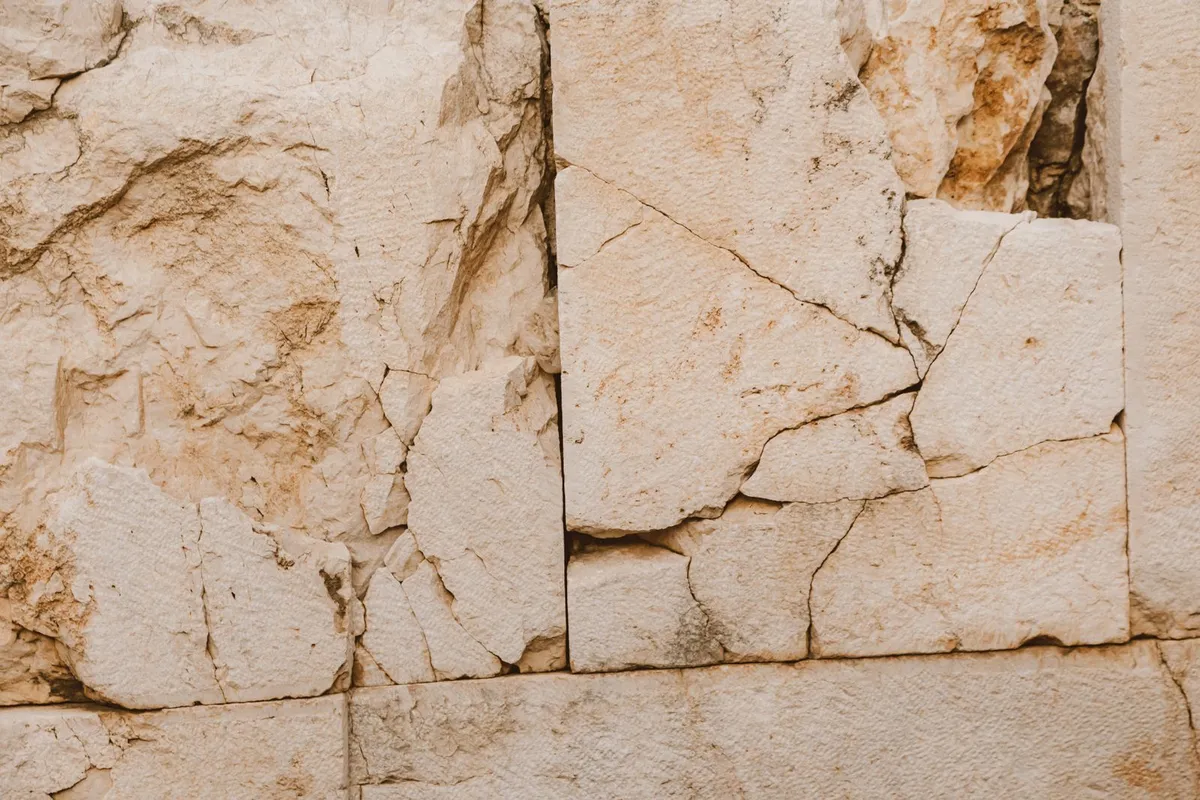
Travertine forms in mineral springs as a type of limestone, full of natural pits and veins from the water that made it. Tiles are sold in several finishes. Polished travertine has a reflective face and shows etch marks and water spots most readily. Honed travertine, the most common for floors, has a smooth matte face that hides daily life better. Tumbled and brushed finishes are textured and rustic, with open surface pits that catch dirt faster but forgive almost everything visually. Filled travertine has its larger holes filled at the factory for a smoother surface; unfilled keeps the natural open texture. Two facts drive all the care rules. First, travertine is calcium based, like marble, so acids react with it on contact: that reaction is etching, a surface change, not a stain sitting on top. Second, the stone is porous, so liquids that sit on it soak in and can stain from within. Cleaning handles the surface; sealing, covered below, slows the soaking. The Natural Stone Institute’s care guidance is the reference the stone industry itself points homeowners to, and the stone care lines from makers such as LATICRETE (its STONETECH range) and the Aqua Mix range exist because regular cleaners are not made for stone.
The Routine: Daily, Weekly, As Needed
Daily and weekly. Dry dirt is the enemy of any stone floor: grit under shoes acts like sandpaper. Sweep, dust mop or vacuum (with the beater bar off or a hard floor head) as often as the room’s traffic demands. Wash with warm water and a small amount of pH neutral stone cleaner in a mop bucket, using a flat mop or soft cloth, then rinse with clean water so no cleaner film dries on the stone. On shower walls and bath surrounds, a squeegee after use and a weekly gentle wash keep soap and mineral film from building up. Spills. Blot, do not wipe, so the liquid does not spread into more pores. Wash the spot with the neutral cleaner, rinse, and dry. Wine, coffee, oils and tomato are the repeat offenders; the faster they are blotted, the shallower they settle. Grout lines. The grout between travertine tiles is cleaned with the same neutral approach, using a soft brush. The strong alkaline and acidic grout cleaners described in general guides like our how to clean grout must stay off natural stone, because what brightens cement grout can etch the tile faces around it and drip damage across the floor. On stone installations, gentle and neutral wins everywhere.Cleaners That Are Safe, and Bottles That Etch
Safe on travertine: plain warm water for most routine washing; pH neutral cleaners labelled for natural stone; a small amount of mild, stone safe dish solution in a pinch, well rinsed. Products from stone care ranges such as MAPEI‘s stone line are formulated for exactly this. Never on travertine: vinegar or lemon based cleaners; bathroom descalers and limescale removers (acidic by design); bleach based sprays; abrasive powders and cream cleansers; ammonia glass cleaners on polished stone; and the general purpose “tile cleaners” that do not say stone safe on the label. The Tile Council’s resource center carries care guidance that makes the same acid point for all calcium based stone. Test anything new in a hidden corner first, and read “natural stone safe” on the actual label, not in the product’s advertising headline. The consumer explainers at Why Tile make the same distinction between ceramic tile care and stone care, because the two surfaces punish opposite mistakes.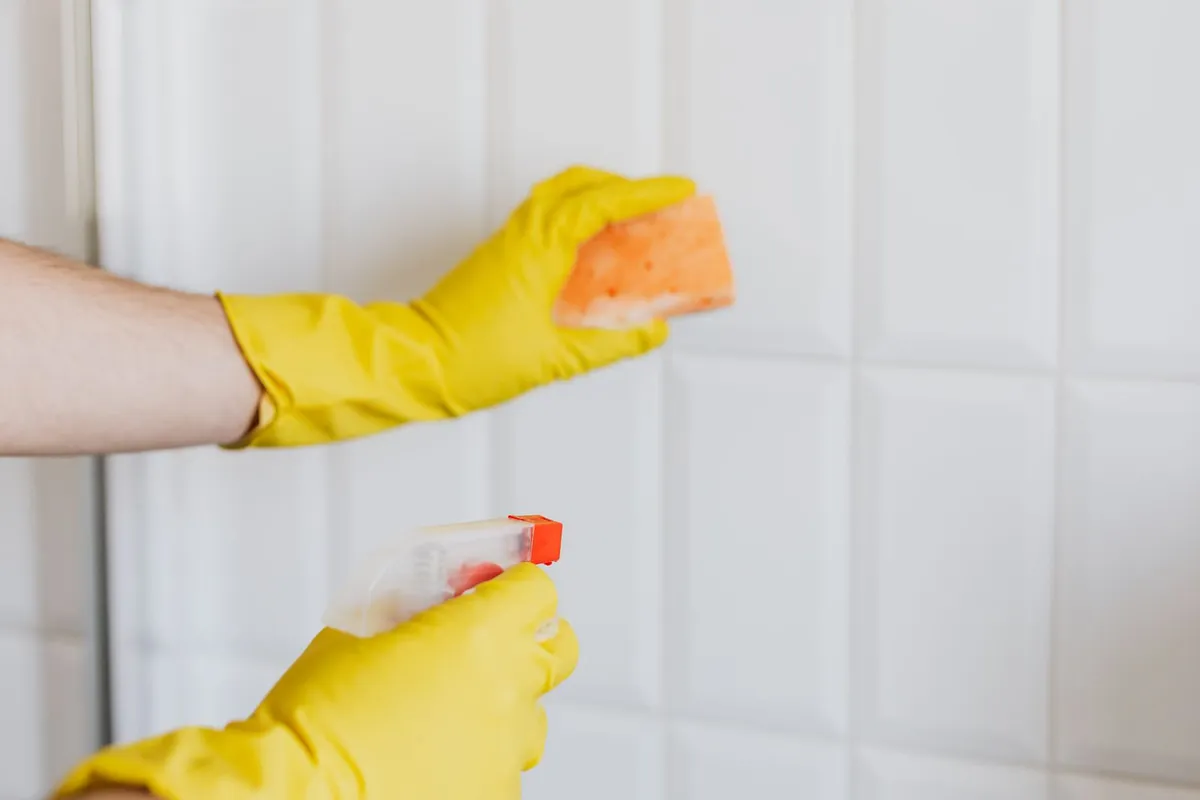
Stains vs Etch Marks: Different Problems, Different Fixes
A stain is colour absorbed into the stone: a dark ring from a coffee cup left overnight, an oil shadow near the stove. The surface still feels smooth; the colour sits below it. Stains are handled with a poultice: a paste of an absorbent powder and a liquid suited to the stain type, spread over the spot, covered with plastic, taped at the edges, and left for a day or two. As it dries, the poultice draws the staining material up out of the pores. It may take two or three rounds for an old stain. Stone care makers sell ready poultice products with instructions matched to stain types, which is the safer route for a first attempt. An etch mark is surface damage: a dull, lighter spot where something acidic touched the stone, common around sinks, soap dishes and anywhere bathroom products sit. No cleaner removes an etch, because material is gone, not deposited. Light etching on honed stone sometimes blends with a stone polishing powder used carefully; deeper etching needs a stone professional to rehone the area. Prevention is the real fix: coasters and trays under bottles, immediate blotting of toiletries, and neutral cleaners only.Sealing: The Partner Habit to Cleaning
Cleaning removes what sits on travertine; sealing slows what soaks into it. A penetrating sealer sits inside the pores and buys you time to blot spills before they stain, and it makes routine washing more effective. Travertine in a shower or on a kitchen floor benefits most, honed and tumbled finishes generally drink more sealer than polished ones, and the stone is sealed only when clean and fully dry. The full method, product types and timing, is covered in our guide on how to seal marble, and the process for travertine is the same, since the two stones share their chemistry. How often to reseal follows wear rather than the calendar: when water stops beading and starts darkening the stone quickly, the sealer is due.Key tip: keep one spray bottle of stone safe neutral cleaner in the room where the travertine lives, and nothing acidic in the same cupboard. Most etching happens in a hurry, with whatever bottle is closest. Make the safe bottle the easy bottle.
Mistakes That Quietly Ruin Travertine
- Reaching for the bathroom spray. Most are acidic descalers in disguise; one hurried spray can etch a visible patch in seconds.
- Coloured cleaners on pale stone. Strongly dyed liquids can tint light travertine, especially unsealed areas; clear, neutral products are safer.
- Abrasive pads and powders. They scratch polished and honed faces, and the scratches then hold dirt faster than the smooth stone did.
- Sealing a dirty floor. Sealer locks in whatever is in the pores at the time, stains included; clean, dry stone first, always.
- Letting the mop bucket get filthy. Dirty water redeposits grit and soil into the stone’s open texture; change the water as soon as it clouds.
- Ignoring the fill. On filled travertine, lost filler in a few pits is normal over the years; an installer can refill them during a reseal visit before the open pits start trapping dirt.
Travertine in Showers and Wet Areas
Showers add soap film, hard water minerals and constant moisture. The routine that works: squeegee the walls after use, run the fan so the stone dries, wash weekly with the neutral stone cleaner and a soft cloth, and dry water spots on polished areas before they set. Never attack shower travertine with limescale remover; the mineral film comes off with patience, a plastic scraper and neutral cleaner, or a stone safe product made for the purpose. Our shower tile installation work includes advising owners on exactly this routine, and it is also why some households choose stone look porcelain for the shower instead, a trade the porcelain vs ceramic tile guide explains honestly. For whole room context, our bathroom renovation page shows where natural stone tends to be specified, and tile installation services covers installing it correctly in the first place.
Frequently Asked Questions
Can you clean travertine with vinegar?
No. Vinegar is acidic, and acid etches travertine on contact, leaving dull, light marks that are surface damage rather than dirt. The same applies to lemon cleaners and limescale removers. Use a pH neutral cleaner made for natural stone instead.What is the best cleaner for travertine tiles?
A pH neutral cleaner labelled safe for natural stone, diluted as directed, with warm water. For routine washing, warm water alone handles most of it. Stone care ranges from the major makers exist precisely because general tile cleaners are too acidic or too alkaline for calcium based stone.How do you get stains out of travertine?
With a poultice: a paste spread over the stain, covered, and left a day or two to draw the colour out of the stone’s pores as it dries. Repeat if the stain fades but remains. Work out the stain type first (oil, coffee, wine and rust each respond to different poultice liquids) and follow the product’s instructions.Does travertine need to be sealed?
In kitchens, bathrooms and showers, yes, strongly recommended. A penetrating sealer slows absorption so spills can be blotted before they stain, and it makes routine cleaning more effective. Floors and wet areas benefit most; the sealer is renewed when water stops beading and starts darkening the stone quickly.Can you steam clean travertine?
Carefully, and only if the stone’s supplier and sealer maker allow it: some do, some advise against heat and pressure on filled or delicate finishes. Many owners find the neutral cleaner routine handles everything steam would be aimed at, without the risk. When in doubt, ask the installer before the first steam session.Why does my travertine look dull in patches?
Dull patches are usually etch marks from acidic contact: a toiletry bottle, a splash of the wrong cleaner, even some hand soaps left sitting. Light etching on honed finishes can sometimes be blended with stone polishing powder; deeper marks need professional rehoning. Switching every cleaner in that room to stone safe neutral products stops new ones forming.What Our Clients Say
BGM Construction holds a 5.0 rating from 9 Google reviews across the Niagara Region. Read our reviews on GoogleThinking about natural stone for your bathroom or floor, or caring for the stone you have? Tell BGM Construction about your project and get a written quote.

One Response