
The same box of tile can produce a dozen different showers. Lay it in a brick stagger and the wall reads classic. Stack it in a grid and the room turns modern. Turn it vertical and a low ceiling gains height it does not have. Shower wall tile layout patterns are the cheapest design decision in the whole build: the tile bill barely changes, the labour changes a little, and the room changes completely. This guide covers the patterns that work on shower walls, what each one does to the space, which tile formats suit it, how hard it is to set well, and the planning that happens before the first tile touches mortar.
Running Bond: The Default, For Good Reason
Running bond offsets each row by half a tile, the brick wall pattern. It is the most forgiving layout in the trade: the stagger hides small size differences between tiles, breaks up long straight joints, and reads well in every format from a 3 by 6 subway to a 12 by 24. Its one technical limit arrives with large format tile. Big tiles often carry a slight bow, and a half offset puts the high centre of one tile beside the low ends of two others, which shows as lippage, edges catching light and fingertips. Manufacturers answer with a rule: for tiles with a side longer than 15 inches, cap the offset at a third. A third offset keeps the staggered rhythm, softens it, and keeps edges honest. On shower walls, running bond suits traditional and transitional rooms and any homeowner who wants the tile, not the pattern, noticed.
Stacked Bond: The Modern Grid
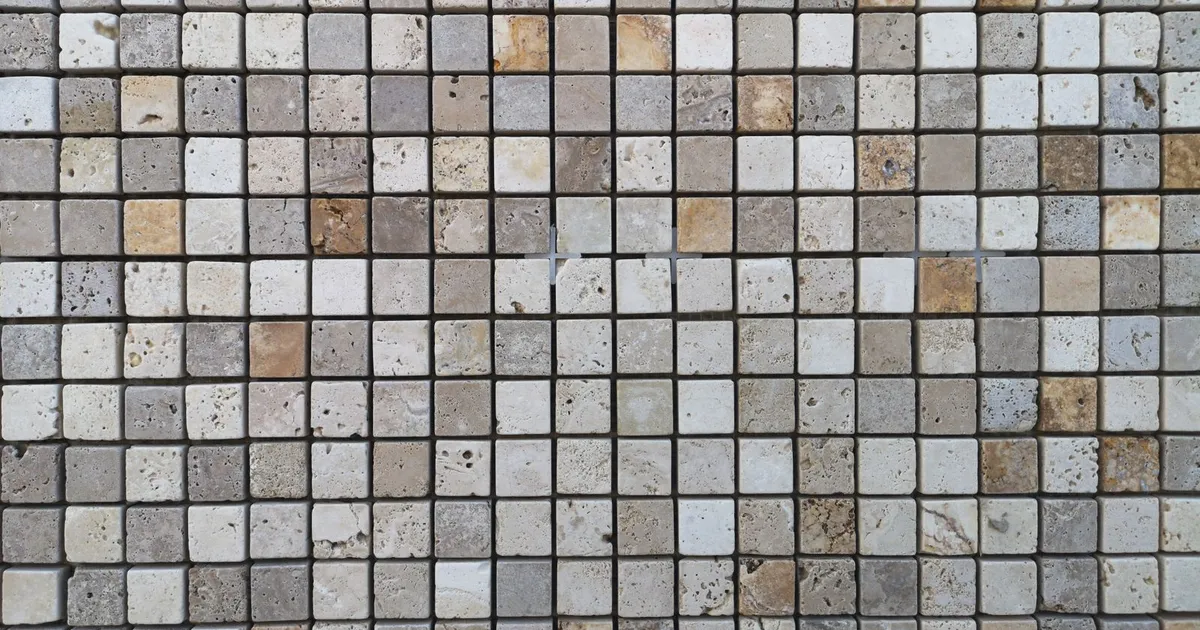
Stacked bond aligns every joint in straight rows and columns, a true grid. It is the layout behind most contemporary shower photos: quiet, architectural, and completely unforgiving. With no stagger to hide behind, every joint announces whether it is straight, and every slightly off tile shows. The pattern asks for rectified tile, a flat wall and an installer who lays out the whole wall before setting, rewards all three with the cleanest surface tile can make. Run the grid horizontally for width, or read the next section for the vertical turn. Grout choice carries extra weight here: matched grout nearly erases the grid into a panelled wall, contrast grout turns the grid into the design.
Vertical Layouts: Borrowing Height
Turning rectangular tile upright, in a vertical stack or a vertical running bond, draws long lines from floor to ceiling and the eye follows them up. Low showers, basement bathrooms and ensuites under sloped ceilings gain the most. Long, slim formats such as 3 by 12 or 2 by 8 were made for this: their proportions stretch the rhythm. Vertical layouts have one planning demand the horizontal ones forgive: the columns must be centred on the back wall or the shower opening, because an off-centre column at the glass line is visible every single day. Homeowners chasing the opposite effect, width in a narrow stall, should run the same tile horizontally; direction is a dial, and this guide’s small-shower companion covers the pairing of pattern and footprint in tile shower ideas for small bathrooms.
Herringbone and Chevron: The Pattern Walls
Herringbone lays rectangular tiles at right angles to each other in a zigzag, each tile’s end meeting the next tile’s side. Chevron cuts the tile ends at an angle so the zigzag runs in continuous points. From across the room they read as cousins; at the saw they are not. Herringbone uses whole rectangular tiles and wastes its cuts at the borders. Chevron needs every tile mitred or bought pre-cut, which prices it like the custom work it is. Both patterns move: the eye travels the wall instead of resting on it, which is why they earn their place on one wall, usually the back wall or the wall behind the fixtures, with calmer layouts on the sides. A full three-wall herringbone shower exists and photographs beautifully, and most homeowners who live with one describe it as busy by month two. Budget the tile at 10 to 15 percent extra for cuts and breakage, and the labour at a clear premium: a herringbone wall takes roughly twice the setting time of the same wall in running bond. The floor version of this pattern, with its own math, is covered in our herringbone tile floor guide.
Basketweave, Crosshatch and Diagonal
Three quieter classics round out the working set. Basketweave alternates pairs of horizontal and vertical tiles into woven squares; it suits traditional rooms and smaller formats, and its clean square edges make it a tidy choice inside a niche or a framed panel. Crosshatch groups tiles into squares of two or three, each square turned 90 degrees from its neighbour, a mid-century rhythm that flatters square and plank tiles alike. Diagonal layout turns a square tile 45 degrees; it widens a narrow wall visually and spends tile at every border, and it has mostly retired to floors and small traditional showers. None of the three asks for special tile, and all three punish sloppy layout faster than running bond does, because their geometry repeats too exactly to hide a drift.
Large Format Grids and the Slab Look
At 24 by 48 inches and up, layout stops being a pattern and becomes a placement problem: two or three pieces per wall, joints planned like seams in a garment. The reward is the slab look, walls that read as single stone surfaces with a handful of joints. The demands are a wall flat enough for the format, a layout drawn to the millimetre so joints land symmetrically at corners and fixtures, and grout matched to disappear. Vein direction joins the plan at this size: marble-look porcelain carries printed veining that should flow across joints, and a good setter dry-lays the wall on the floor to arrange the flow before any mortar opens. Choosing the tile itself, sizes, finishes and materials, is the subject of our guide to the best tile for shower walls; this guide assumes that choice is made and arranges what arrived.
The Patterns Side by Side
| Pattern | Room effect | Setting difficulty | Extra tile to order |
|---|---|---|---|
| Running bond (half offset) | Classic, calm, suits everything | Low | 10 percent |
| Third offset | Softer stagger for large format | Low | 10 percent |
| Stacked bond | Modern grid, clean and strict | Moderate, shows every error | 10 percent |
| Vertical stack or bond | Adds height, contemporary | Moderate | 10 percent |
| Herringbone | Movement, feature wall energy | High | 15 percent |
| Chevron | Sharp, tailored, custom | High, mitred cuts throughout | 15 percent |
| Basketweave | Traditional woven texture | Moderate to high | 10 to 15 percent |
| Large format grid | Slab look, fewest joints | Moderate, layout critical | 10 percent, plus a spare piece per wall |
Planning a Layout Before Mortar
Professionals settle the pattern on paper and on the wall before a bag opens. The work has three parts. The setter finds the centre of the main wall and decides whether a joint or a tile centre sits on it, based on which choice leaves wider cuts at the corners; slivers under half a tile at a corner look like a mistake even when they are arithmetic. A story pole, a straight batten marked with the course heights, checks how the rows land against the niche, the valve and the top of the wall, and moves the starting course so a joint does not slice through the niche. And the whole wall gets a dry run for the first courses, so the pattern’s behaviour at the edges is seen while it is still free to change. Where the layout sits in the wider build, between waterproofing and grout, is mapped in our walk-in shower tile installation walkthrough, and the setting technique that follows layout is in how to tile shower walls.
Watch: Ten Subway Patterns Taking Shape
This short tour lays out ten subway tile patterns one after another, running bond through stacked and basketweave, which makes it the fastest way to put a picture to each name in this guide.
Pattern Advice From Niagara Shower Builds
The pattern conversation happens at the quote table on BGM Construction jobs, with the actual tile in hand, because pattern and tile cannot be chosen apart: the same 3 by 12 tile is four different showers in four layouts. BGM Construction, 5 Swart Ln, Thorold, ON L2V 0G5. Open Monday to Saturday: 8:00 AM to 5:00 PM. Call +1 365-524-1898 for a free quote. The shower tile installation services page covers the full build around the pattern.
The team sets shower tile in Thorold, Niagara Falls, St. Catharines and Welland, and across Fort Erie, Grimsby, Lincoln, Niagara-on-the-Lake, Pelham, Port Colborne, Wainfleet and West Lincoln.
Bring Your Tile, Leave With a Layout
Two or three candidate tiles and a photo of the shower are enough to plan a layout at the quote stage, including the waste allowance the pattern needs. Call BGM Construction at +1 365-524-1898 or send the details through the contact page.
Frequently Asked Questions
What is the most popular shower wall tile pattern?
Running bond still leads on volume, with stacked bond closing fast in newer homes. The classic half offset suits the widest range of tile and rooms, while the stacked grid is the pattern behind most current showroom showers. Vertical versions of both are the fastest-growing choice in small bathrooms.
Is subway tile out of style?
No. The plain white 3 by 6 in a basic running bond reads as a default rather than a choice now, and that sameness is what dates a room. The same family of tile in a 3 by 12 format, a handmade-look glaze, a vertical stack or a herringbone wall reads current, because the layout and proportion changed even though the tile shape did not.
What is the difference between herringbone and chevron?
Herringbone joins whole rectangular tiles at right angles, each tile’s end against the next tile’s side, forming a broken zigzag. Chevron cuts each tile end at an angle so pairs meet in clean points and the zigzag runs unbroken. Chevron costs more: every piece is cut or bought pre-mitred, and the layout tolerates no drift.
How much extra tile should I order for herringbone?
Order 15 percent over the measured area, against 10 percent for straight layouts. The angle cuts at every border consume whole tiles, and a patterned wall mid-job is the wrong place to find out a dye lot has sold out.
Should the pattern wrap all three shower walls?
Calm patterns, yes: running bond, stacked and large format grids usually wrap the whole shower in one layout and one grout. Active patterns, herringbone, chevron, basketweave, usually earn more on one wall, with a quiet layout in the same tile carrying the sides. The niche is the exception either way: a small inset of the active pattern ties a calm shower together.
Does a stacked pattern cost more to install than running bond?
Slightly, on most quotes. The setting itself is no slower, but the layout and the wall preparation are stricter, because nothing hides. Herringbone and chevron carry the real premiums, roughly double the setting time of a straight layout on the same wall.